Diagnosis + Treatment
The Big Picture
Dr. Jekyll and Mr. Hyde? [ Video ]
Five Dimensions of Human Personality
Think It's BPD but How Can I Know?
DSM Criteria for Personality Disorders
Treatment of BPD [ Video ]
Getting a Loved One Into Therapy
Top 50 Questions Members Ask
Home page
Forum
List of discussion groups
Making a first post
Find last post
Discussion group guidelines
Tips
Romantic relationship in or near breakup
Child (adult or adolescent) with BPD
Sibling or Parent with BPD
Boyfriend/Girlfriend with BPD
Partner or Spouse with BPD
Surviving a Failed Romantic Relationship
Tools
Wisemind
Ending conflict (3 minute lesson)
Listen with Empathy
Don't Be Invalidating
Setting boundaries
On-line CBT
Book reviews
Member workshops
About
Mission and Purpose
Website Policies
Membership Eligibility
Please Donate
October 24, 2026, 04:04:35 PM
Welcome,
Guest
. Please
login
or
register
.
Did you miss your
activation email?
1 Hour
5 Hours
1 Day
1 Week
Forever
Login with username, password and session length
Board Admins:
Kells76
,
Once Removed
Senior Ambassadors:
SinisterComplex
Help!
Boards
Please Donate
Login to Post
New?--Click here to register
Survey: How do you compare?
Adult Children Sensitivity
67% are highly sensitive
Romantic Break-ups
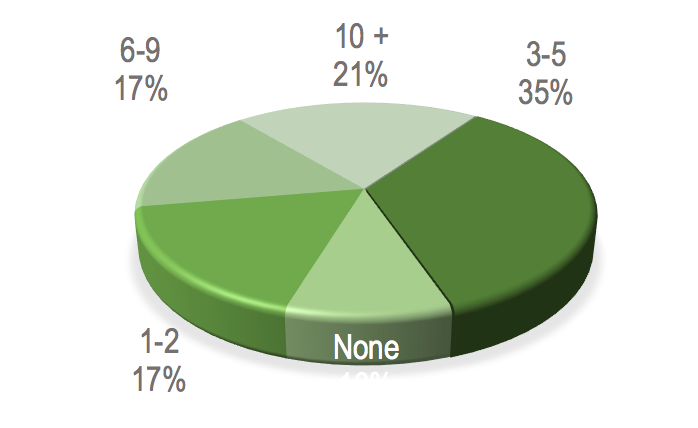
73% have five or more recycles
Physical Hitting
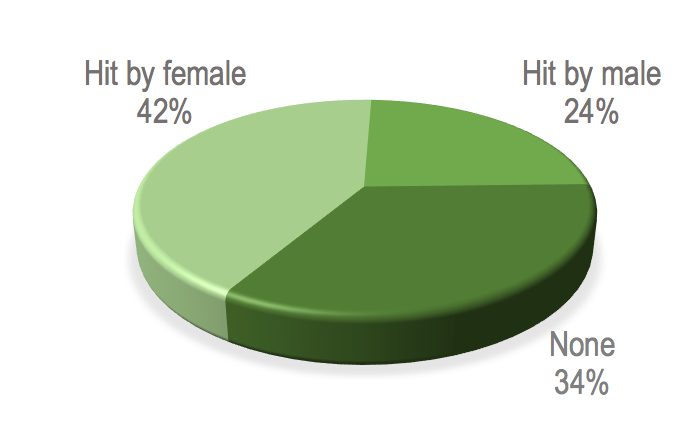
66% of members were hit
Depression Test
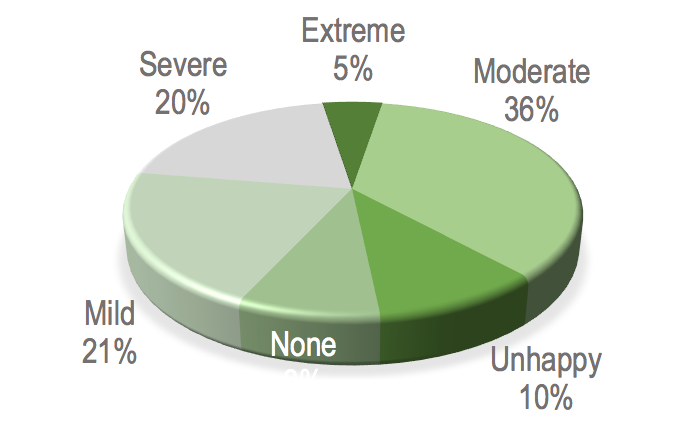
61% of members are moderate-severe
108
BPDFamily.com
>
Relationship Partner with BPD (Straight and LGBT+)
>
Romantic Relationship | Detaching and Learning after a Failed Relationship
> Topic:
The unfortunate trap of "Well BPDs love to cling to Narcissists!" (Autism)
Pages: [
1
]
2
All
Go Down
« previous
next »
Print
Author
Topic: The unfortunate trap of "Well BPDs love to cling to Narcissists!" (Autism) (Read 9765 times)
PearlsBefore
Offline
What is your sexual orientation: Confidential
Who in your life has "personality" issues: Family other
Posts: 471
The unfortunate trap of "Well BPDs love to cling to Narcissists!" (Autism)
«
on:
May 08, 2026, 09:46:08 AM »
Anyone here autistic AF?
Due to growing up in an incredibly invalidating home life (save that rant for another time), I ended up trying to "save people" as a young adult - all of which led to one of my "projects" telling me she had catastrophic drug-induced liver failure and had been removed from the transplant list due to her longstanding alcoholism and begging me to marry her...and yup, we married. I figured it was a "good deed", and why not - she was diagnosed BPD but in my youth I felt sure that was "just a label" and ultimately enough willpower and self-control could solve it. (Spoiler: Nope).
But one of the traps that seemed to ensnare people was that the "pop culture understanding" of BPD says "Oh, the only people who get into relationships with them are narcissists because they love the adulation when splitting cuts in their favour", but that seems lazy and overly speculative - lots of quotes in medical literature, not much peer-reviewed research. But then it's used for example in divorce and family court to say "Well we all KNOW what it means if someone married a BPD", when frankly...one of the most infuriating things to autists is when people confuse two conditions that are clinical opposites.
-Narcissists are deeply insecure, and fixated on people's perception of them - they act aloof and superior to avoid/hide a crippling self-esteem issue. They probably do like BPDs "positive splitting" more than most.
-Autistic (and/or Aspies) people are clinically unable to care what others think about them, their reputation is functionally irrelevant. They probably end up with BPDs more often than most simply because they don't run away after hearing "
I think you're having an affair with your sister, I saw a baby in the park that looked like you, you're just like my Dad, I gave up on my one-week career as a stripper and now I'm thinking maybe a nun, you're like literally worse than Hitler because you are the most evil sociopath narcissist psychopath gaslighting hypochondriac agoraphobic lazy workaholic ever!!!
"...whereas most people run away when the "bad split" happens - but autists are just like "well, there's zero truth to that, so why would I be bothered?".
Yet somehow I still run into this constant age-old bias that's crept up into the literature, the idea that BPDs and Narcissists end up together and nobody else can stand them, and if you know someone with BPD then their significant other must be a narcissist. My ex claiming I was a narcissist actually led to a forensic psychiatric examination of me that not only dismissed narcissism, but very politely said "he has the dead opposite of narcissism, this cracka be autistic AF and don't give a damn what she or anyone else thinks - she's simply a goodwill project he's worked on helping and allowing in his life in ways that seem perplexing to outsiders" (I'm paraphrasing)
It seems like a topic I haven't seen addressed on this forum much before, and the "Search" function is broken - so I'll just ask...anyone else noticed this?
Logged
Cast not your pearls before swine, lest they trample them, and turn and rend you.
--- I live in libraries; if you find an academic article online that you can't access but might help you - send me a Private Message.
Notwendy
Offline
What is your sexual orientation: Straight
Who in your life has "personality" issues: Parent
Posts: 12460
Re: The unfortunate trap of "Well BPDs love to cling to Narcissists!" (Autism)
«
Reply #1 on:
May 08, 2026, 05:50:49 PM »
What I have read is that a pairing between a pwBPD and one with NPD tends to be dramatic, and less stable and that the more long lasting pairing is with a pwBPD and a partner with enabling/co-dependent traits. That doesn't mean it isn't a difficult relationship but that it tends to last longer.
I think autism isn't addressed as much due to the more recent awareness of high functioning - Level 1 autism. Someone who is more severely on the spectrum, I think would be less likely to pair up with someone due to the social skill demands. However people with higher functioning can maintain relationships, sometimes it takes some effort. I also think they are less likely to be identified due to being able to "mask" or compensate in a social setting.
I can't be certain about any posters but I think I have seen examples of all three on the board- due to the situations they are concerned about. Most don't use a specific label. I think the most common situation is the partner who has been walking on eggshells and is looking for another solution. Many do not believe that the term "co-dependent" fits them but they do say they have been walking on eggshells and compensating for their BPD partner.
Some posters have idenfied as being on the spectrum. I think more information will come out about this pairing. I have wondered if perhaps my father had autistic traits. He eventually also was enabling but I wonder if that was an adaptation to the relationship with my BPD mother. I didn't ever consider he might be somewhat on the spectrum, before the information of high functioning ASD was available. He would not have been indenfied in this time.
He had a "brainy" edge to him and while I saw him as being sociable, but thinking about it, it was mostly with his like minded peers. He didn't share other interests like sports, or other hobbies one thinks of as "with the guys". However, I also think his free time for that was limited as my BPD mother's emotional needs were high and he also took on most of the parenting role at home.
Personally, I think people on the ASD spectrum have unique skills and these may be their focus. Not everyone needs to be very social, and so if that is not their focus, they may not pick up on some red flags, as you described?
BPD mother's skill set was her social savvy and charm, something someone on the spectrum may not be so skilled at. She could be manipulative. I think someone on the spectrum might not pick up on some of these subtle signs when first meeting her. But also not many people did at first, whether or not on the spectrum. I don't believe he had any idea of her issues when they got married, but others on this board didn't see issues at the beginning either.
Logged
Rowdy
Offline
What is your sexual orientation: Straight
Who in your life has "personality" issues: Ex-romantic partner
Relationship status: Married
Posts: 164
Re: The unfortunate trap of "Well BPDs love to cling to Narcissists!" (Autism)
«
Reply #2 on:
May 23, 2026, 09:45:26 AM »
Interesting topic. About a year or so before my wife and I split up, I’d done several online questionnaires that came back saying I was highly likely on the asd spectrum. When we split up I went to the doctors to investigate this further, and was given two questionnaires to fill out, one for autism and one for adhd.
After looking at the results my doctor said he was putting me forward for an official diagnosis. That was 2 1/2 years ago and I still haven’t heard anything from them.
If I am, I have traits and I’m not particularly affected by it. My brother refuses to believe that I even have it, although my ex, my kids and my in laws believe I probably do.
The part of your post that I find worrying however, is where you mention autistic people don’t care what anyone thinks of them. I do sometimes wonder how I am perceived, or if I have upset someone if I haven’t heard from them in a while, which now leads me to question if I am narcissistic instead. I don’t have a grandiose sense of self nor act superior to anyone, although I can at times feel a little insecure. I am not particularly sociable and am an introvert.
Logged
CC43
Offline
What is your sexual orientation: Straight
Who in your life has "personality" issues: Child
Relationship status: Married
Posts: 1265
Re: The unfortunate trap of "Well BPDs love to cling to Narcissists!" (Autism)
«
Reply #3 on:
May 23, 2026, 10:20:41 AM »
I don't know if there's a prototype that disproportionately attracts a partner with BPD, or one that is especially drawn to someone with BPD. My sense is that some people might like the intensity and initial drama of the relationship--the process of falling deeply in love, feeling so close and special. But if you're talking about a female pwBPD, what I've noticed is that if she's hot or sexy, many suitors will look past some red flags, precisely because she's hot and sexy. I saw quite a bit of that in my college days. Looking back, I'm wondering if some of those sexy "damsels in distress" had some BPD traits.
Logged
Pook075
Ambassador
Offline
Gender:
What is your sexual orientation: Straight
Who in your life has "personality" issues: Ex-romantic partner
Relationship status: Divorced
Posts: 2410
Re: The unfortunate trap of "Well BPDs love to cling to Narcissists!" (Autism)
«
Reply #4 on:
May 23, 2026, 01:21:47 PM »
I was married to a BPD spouse for 23 years, and I often wondered how I didn't realize she was mentally ill until the very end...or how we even made it that far to begin with.
What dawned on me though was that we split up 3 times the first few years, I had been punched and berated countless times, and my wife focused all of her energy on her family instead of ours. It was a terrible marriage, yet I couldn't see it.
Maybe around year 8 or 9, I decided that we always had the same arguments (cleaning the house, grocery shopping, saving money, etc...typical stuff). So one day I just said to myself, "I'm not going to argue anymore and I'm not going to say anything about the stuff that bothers me." If the house was a wreck, I'd clean it myself or let it be dirty. I did all the shopping, all the bills, all the appointments and schedules...I just did it all and never again asked for help with anything. I also stopped complaining about my wife never being there as well.
By doing these things, the arguments almost completely stopped because there was nothing left to argue about. We lived basically like we were single, did some things as a family, and we just sort of existed for the next 15 years. And honestly, this was more terrible than getting screamed at and slapped. At least back then there were good times and bad times. I just felt alone though and it was depressing to be married but living like I'm single (not in the dating sense...just in the general lifestyle since I did so much alone).
If I hadn't made that change in year 8, there's no possible way we made it 23 years. And I still don't completely know why I gave up my values and morals to let her just run free. I'm not autistic, but at the same time there has to be something different about me since I just lost the will to keep fighting back. I just hated everything about arguing and I still shy away from conflict today.
Logged
Notwendy
Offline
What is your sexual orientation: Straight
Who in your life has "personality" issues: Parent
Posts: 12460
Re: The unfortunate trap of "Well BPDs love to cling to Narcissists!" (Autism)
«
Reply #5 on:
May 25, 2026, 07:59:41 AM »
Quote from: Pook075 on May 23, 2026, 01:21:47 PM
Maybe around year 8 or 9, I decided that we always had the same arguments (cleaning the house, grocery shopping, saving money, etc...typical stuff). So one day I just said to myself, "I'm not going to argue anymore and I'm not going to say anything about the stuff that bothers me." If the house was a wreck, I'd clean it myself or let it be dirty. I did all the shopping, all the bills, all the appointments and schedules...I just did it all and never again asked for help with anything. I also stopped complaining about my wife never being there as well.
By doing these things, the arguments almost completely stopped because there was nothing left to argue about. We lived basically like we were single, did some things as a family, and we just sort of existed for the next 15 years. And honestly, this was more terrible than getting screamed at and slapped. At least back then there were good times and bad times. I just felt alone though and it was depressing to be married but living like I'm single (not in the dating sense...just in the general lifestyle since I did so much alone).
If I hadn't made that change in year 8, there's no possible way we made it 23 years. And I still don't completely know why I gave up my values and morals to let her just run free. I'm not autistic, but at the same time there has to be something different about me since I just lost the will to keep fighting back. I just hated everything about arguing and I still shy away from conflict today.
I noticed a similar situation with my parents. I didn't understand all that was going on as I was a child but when I was about 9 years old, they had big arguments. Dad was already doing a lot of parenting.
By my teens, these episodes seemed to be lesser, but my father also seemed to be resigned to just doing whatever BPD mother wanted him to do. He also seemed less engaged- in general.
I don't think he had any idea BPD mother was mentally ill in their early years of being together. I think he must have known later but he didn't mention BPD.
Not knowing why one would give up their values, as Pook said- I don't know either but I think maybe the constant stress, walking on eggshells, to give in also results in momentary- even if temporary, relief and that may be all one can manage in the moment.
Logged
Notwendy
Offline
What is your sexual orientation: Straight
Who in your life has "personality" issues: Parent
Posts: 12460
Re: The unfortunate trap of "Well BPDs love to cling to Narcissists!" (Autism)
«
Reply #6 on:
May 25, 2026, 08:08:21 AM »
Quote from: CC43 on May 23, 2026, 10:20:41 AM
I don't know if there's a prototype that disproportionately attracts a partner with BPD, or one that is especially drawn to someone with BPD. My sense is that some people might like the intensity and initial drama of the relationship--the process of falling deeply in love, feeling so close and special. But if you're talking about a female pwBPD, what I've noticed is that if she's hot or sexy, many suitors will look past some red flags, precisely because she's hot and sexy. I saw quite a bit of that in my college days. Looking back, I'm wondering if some of those sexy "damsels in distress" had some BPD traits.
That fits my BPD mother. She had a sort of magnetism, and she was very pretty, not in the "hot sexy" way, but the sophisticated beauty way. She didn't dress provocatively but elegantly.
I know a young woman, a friend's daughter, who also has BPD and this element to her. I also know of another young woman with BPD who doesn't have that. So I don't think it's all pwBPD but I have seen these two combined.
It's part looks but it's also something else.
Logged
hotchip
Offline
What is your sexual orientation: Bisexual
Who in your life has "personality" issues: Ex-romantic partner
Relationship status: Broken up
Posts: 100
Re: The unfortunate trap of "Well BPDs love to cling to Narcissists!" (Autism)
«
Reply #7 on:
May 25, 2026, 11:06:55 AM »
Excerpt
I don't know if there's a prototype that disproportionately attracts a partner with BPD, or one that is especially drawn to someone with BPD. My sense is that some people might like the intensity and initial drama of the relationship--the process of falling deeply in love, feeling so close and special.
CC43, this sounds right to me. I think BPD people can be attractive to those who struggle to tell the difference between intensity and genuine intimacy, perhaps due to FOO issues. And to people who have an unmet need to feel special, unique, or chosen - maybe because they feel deprioritised or unvalued in other parts of their lives and intimate relationships.
Excerpt
By my teens, these episodes seemed to be lesser, but my father also seemed to be resigned to just doing whatever BPD mother wanted him to do.
Excerpt
I just lost the will to keep fighting back.
Pook and NotWendy, you've described the situation with my father exactly. There was a passivity and defeatism that crept in. 'Well, she's just like that.' So being accommodating, gentle or conflict averse can also preserve the BPD relationship.
Logged
Notwendy
Offline
What is your sexual orientation: Straight
Who in your life has "personality" issues: Parent
Posts: 12460
Re: The unfortunate trap of "Well BPDs love to cling to Narcissists!" (Autism)
«
Reply #8 on:
May 25, 2026, 03:20:52 PM »
Quote from: hotchip on May 25, 2026, 11:06:55 AM
CC43, this sounds right to me. I think BPD people can be attractive to those who struggle to tell the difference between intensity and genuine intimacy, perhaps due to FOO issues. And to people who have an unmet need to feel special, unique, or chosen - maybe because they feel deprioritised or unvalued in other parts of their lives and intimate relationships.
We kids saw that some men seemed to be spellbound by BPD mother. Even some men who weren't romantically involved with her. My father seemed to be, but also some family friends and even relatives. BPD mother had an emotional need to have people "do things for her" - run errands, household tasks, and if someone did something for her she'd be so appreciative and attentive to them, they'd feel special.
I think in a way, all romantic relationships have an initial "intensity" to it and everyone likes to feel special and loved. I think it's possible for someone to be attracted to a pwBPD and not be aware of issues, and then when the BPD behaviors are seen, be confused by them. Some may end the relationship at this point and some may not. It may be that there are other factors that keep the relationship going with some people.
Logged
TelHill
Ambassador
Offline
What is your sexual orientation: Straight
Who in your life has "personality" issues: Parent
Posts: 694
Re: The unfortunate trap of "Well BPDs love to cling to Narcissists!" (Autism)
«
Reply #9 on:
May 26, 2026, 12:19:41 AM »
I often think my late dBPD mother was on the spectrum, due to her discomfort and awkwardness in social settings. She did not do charming.
Quote from: Notwendy on May 25, 2026, 03:20:52 PM
We kids saw that some men seemed to be spellbound by BPD mother. Even some men who weren't romantically involved with her.
I think in a way, all romantic relationships have an initial "intensity" to it and everyone likes to feel special and loved. I think it's possible for someone to be attracted to a pwBPD and not be aware of issues, and then when the BPD behaviors are seen, be confused by them. Some may end the relationship at this point and some may not. It may be that there are other factors that keep the relationship going with some people.
Quote from: hotchip on May 25, 2026, 11:06:55 AM
CC43, this sounds right to me. I think BPD people can be attractive to those who struggle to tell the difference between intensity and genuine intimacy, perhaps due to FOO issues. And to people who have an unmet need to feel special, unique, or chosen - maybe because they feel deprioritised or unvalued in other parts of their lives and intimate relationships.
I'm guessing body language or demeanor indicates a person can be extremely exciting, challenging or dramatic and that can be incredibly attractive on a subconscious level.
As I said above my mother was neither charming nor sociable. She was dramatic and an expert at intense temper tantrums for no discernible reason. She was very pretty and people paid attention to her even in her late 80s. The weird thing is I look like her and when with her, she was the one who got all the attention. And I was the younger version of her!
A former college roommate of mine was gorgeous. She had the same experience.
Her mother visited once and my roommate told me her mom would get all the attention when they went out. At the time, I thought her mom was old and not that attractive. (Sorry, I was 21 then.) I could not understand it.
She told me her mom was a bit strong-willed and difficult. I don't know if she had a personality disorder or not. My roommate was low key and introverted. She was normal.
The even weirder thing is my college roommate became an actress after graduation and was cast as one of the hot and pretty girls in a popular Hollywood movie in the 80s. She's had medium to small roles in TV and film during her career and is not famous. She’s not anyone you would know.
She was a Hollywood-approved hot girl and men still chose her 50-year-old mom over her. There’s something else going on besides physical hotness,
I think those with FOO issues may miss early red flags or explain them away. I know people with personality disorders may hide their worst traits until after marriage, an extended lovebombing so to speak. They learned which traits caused friends and partners to dump them in the past and adjusted their behavior to get what they wanted.
My late ex-h did that. There were a few red flags which I dismissed (big mistake) when we were engaged because he was such a sweetie. He was the perfect fiance. We were engaged for three years. He did a 180 and was abusive and scary during the marriage. I felt duped.
Logged
Notwendy
Offline
What is your sexual orientation: Straight
Who in your life has "personality" issues: Parent
Posts: 12460
Re: The unfortunate trap of "Well BPDs love to cling to Narcissists!" (Autism)
«
Reply #10 on:
May 26, 2026, 06:46:17 AM »
Quote from: TelHill on May 26, 2026, 12:19:41 AM
I'm guessing body language or demeanor indicates a person can be extremely exciting, challenging or dramatic and that can be incredibly attractive on a subconscious level.
As I said above my mother was neither charming nor sociable. She was dramatic and an expert at intense temper tantrums for no discernible reason. She was very pretty and people paid attention to her even in her late 80s. The weird thing is I look like her and when with her, she was the one who got all the attention. And I was the younger version of her!
A former college roommate of mine was gorgeous. She had the same experience.
I think those with FOO issues may miss early red flags or explain them away. I know people with personality disorders may hide their worst traits until after marriage, an extended lovebombing so to speak. They learned which traits caused friends and partners to dump them in the past and adjusted their behavior to get what they wanted.
I agree- it's something in addition to the physical appearance that is the magnet. I think we learn early on what works to get our needs met, and pwBPD may have different needs and so develop a different skill set to meet them.
People notice attractive people- that's natural. BPD mother was a pretty child and people noticed that. There are pretty children who don't have BPD and people notice them too but perhaps the way they meet their attention need is different for them. All children want attention. It's common to see a small child say to their parent "look at this" as they do a big jump on the playground or show their drawing.
Children have innate abilities and so when they get attention for them, it may reinforce them. If a child is a good reader, or good at sports, gets praised for that, they read more and become good at these activities.
Imaging there's a high need temperment child, who may be more stress for parents and teachers and so doesn't get a lot of positive attention but is attractive and gets attention for that- and that becomes their skill focus? Or they find other attention to be something to work at but being attractive- they just get the attention. That would become their reinforced skill set. This won't create BPD but perhaps that tendency was already there.
To compare Tel Hill's mother and roomate. The roomate was also attractive but focused on other skills, like acting and her college classes, got a sense of accomplishment from these. BPD mother didn't have these other avenues of sense of self and so her attractiveness became her main way of getting needs met. She had poor executive function. She was intelligent and liked to read a lot- but to work at a task that brought a later sense of accomplishment may have been more of a challenge.
My friend's young adult daughter who has BPD also has this "attraction factor". I have known her since she was little. I didn't notice any problematic behavior then. It emerged as a teen. She has an intense need for attention. In her teens, it became possible to gain attention from boys- so perhaps this is something she did more- so she could have that need met.
One of my BPD mother's needs was that she couldn't tolerarate being alone for long. She needed someone with her. She seemed to not be able to regulate her own emotions and having someone with her in the role of emotional caretaker met that need. This young woman is similar in that need. So perhaps their being able to draw people to them was reinforced for them.
Logged
Pook075
Ambassador
Offline
Gender:
What is your sexual orientation: Straight
Who in your life has "personality" issues: Ex-romantic partner
Relationship status: Divorced
Posts: 2410
Re: The unfortunate trap of "Well BPDs love to cling to Narcissists!" (Autism)
«
Reply #11 on:
May 26, 2026, 09:47:13 AM »
Quote from: hotchip on May 25, 2026, 11:06:55 AM
CC43, this sounds right to me. I think BPD people can be attractive to those who struggle to tell the difference between intensity and genuine intimacy, perhaps due to FOO issues. And to people who have an unmet need to feel special, unique, or chosen - maybe because they feel deprioritised or unvalued in other parts of their lives and intimate relationships.
Pook and NotWendy, you've described the situation with my father exactly. There was a passivity and defeatism that crept in. 'Well, she's just like that.' So being accommodating, gentle or conflict averse can also preserve the BPD relationship.
I reached a point in my life that I just didn't want to waste a single ounce of energy on being negative, having the same arguments, etc. Why?!? We argued that stuff for almost a decade and nothing ever lasted more than a week or two. I couldn't see that my ex was incapable of staying in a routine because of mental health, but I did figure out how to avoid the blow-out arguments completely.
Others might ask, was it worth it? Honestly, yes it was.
I've reflected on this a lot and although our house was completely dysfunctional with 2 BPDs in it, at least the kids grew up at home and the marriage survived into their early 20's. So while I definitely wouldn't want to return to that life, I am thankful that we made it that long for the kids' sakes. I would do the same thing over again EXCEPT that I'd seek family counseling to hopefully get my ex-wife and kid more help. I also would have found this site 10 years earlier and actually understood what I was facing- that knowledge would have been invaluable.
Logged
Pook075
Ambassador
Offline
Gender:
What is your sexual orientation: Straight
Who in your life has "personality" issues: Ex-romantic partner
Relationship status: Divorced
Posts: 2410
Re: The unfortunate trap of "Well BPDs love to cling to Narcissists!" (Autism)
«
Reply #12 on:
May 26, 2026, 09:52:17 AM »
Quote from: Notwendy on May 25, 2026, 07:59:41 AM
Not knowing why one would give up their values, as Pook said- I don't know either but I think maybe the constant stress, walking on eggshells, to give in also results in momentary- even if temporary, relief and that may be all one can manage in the moment.
I mean, the simple answer is that I loved my wife and I loved our family of four. Your dad loved your mom the same way I'm sure. Him and I tried to hold everything together despite having no idea what we were actually facing.
Looking back, my mom clearly had mental illness as well and my father did the exact same thing. He stayed silent and/or he fled. If I yelled back as a kid/teen, he'd scold me and tell me to be quiet. I'd plead my case- "but she said this and did that and it's wrong!" I never understood why he told me to stay quiet until recently when I realized that I did basically the same thing.
He was right though and so was your dad. We all fought to keep the family intact, despite the obvious challenges. That's what you do when you love someone.
Logged
Notwendy
Offline
What is your sexual orientation: Straight
Who in your life has "personality" issues: Parent
Posts: 12460
Re: The unfortunate trap of "Well BPDs love to cling to Narcissists!" (Autism)
«
Reply #13 on:
May 26, 2026, 05:11:30 PM »
Quote from: Pook075 on May 26, 2026, 09:52:17 AM
I mean, the simple answer is that I loved my wife and I loved our family of four. Your dad loved your mom the same way I'm sure. Him and I tried to hold everything together despite having no idea what we were actually facing.
Looking back, my mom clearly had mental illness as well and my father did the exact same thing. He stayed silent and/or he fled. If I yelled back as a kid/teen, he'd scold me and tell me to be quiet. I'd plead my case- "but she said this and did that and it's wrong!" I never understood why he told me to stay quiet until recently when I realized that I did basically the same thing.
He was right though and so was your dad. We all fought to keep the family intact, despite the obvious challenges. That's what you do when you love someone.
I understand the effort and value in keeping a family intact. The question I have is- if appeasing one's spouse to keep the family intact is the right thing, what if the appeasing involves doing the wrong thing to others, oneself, or to the family?
Right and wrong can be a matter of opinion sometimes but I mean doing something that is considered wrong in most cultures/religions. You mentioned appeasing to the point of giving up your own values. What if these are moral values?
This issue- giving up values- were a dynamic that affected the relationships in the family. It may have appeased BPD mother in the moment, but it caused real damage to relationships. Appeasing my mother in order to maintain the peace also had a high personal cost for my father- and maybe he was willing to do that for her but when it impacted his relationships with his own family and children- how far is too far?
I know your moral code has a religious grounding so I will use that for the examples of right and wrong. It is right to "leave your parents" and "cling to your spouse" but that doesn't mean cutting contact with them entirely or causing them the pain of not seeing their grandchildren, just because your wife demands it and they haven't done anything to deserve that. It doesn't delete "Honor your parents".
I'm not singling out anyone or reporting exactly on things my father did, but here on this board are many examples of grieving mother in laws, grandmothers who have lost contact with their adult child because that person is trying to hold the family togther and appease their BPD spouse.
I have also seen examples where holding the family together also involves the children being exposed to the dysfunction in the family and the behaviors of the BPD spouse. This is a complex issue because, the courts will usually award custody to both parents and in some situations, it's better that the children are not alone with their BPD parent more.
Giving in on things that matter less to us isn't a big issue. I think we all have our own individual boundaries but where's the line between holding things together and abandoning our own values? That's the dilemma.
Logged
PeteWitsend
Offline
Gender:
What is your sexual orientation: Straight
Who in your life has "personality" issues: Ex-romantic partner
Posts: 1494
Re: The unfortunate trap of "Well BPDs love to cling to Narcissists!" (Autism)
«
Reply #14 on:
May 26, 2026, 05:51:10 PM »
Quote from: Notwendy on May 25, 2026, 08:08:21 AM
That fits my BPD mother. She had a sort of magnetism, and she was very pretty, not in the "hot sexy" way, but the sophisticated beauty way. She didn't dress provocatively but elegantly.
I know a young woman, a friend's daughter, who also has BPD and this element to her. I also know of another young woman with BPD who doesn't have that. So I don't think it's all pwBPD but I have seen these two combined.
It's part looks but it's also something else.
FWIW, I have a good friend who is a psychiatrist, and he mentioned to me that there is a correlation between attractiveness and behavioral issues, or mental issues. I don't recall if he specifically said "behavioral disorder" but it might have been something like that.
It's become a meme online about "hot" women being also crazy, but apparently there's some truth to it.
I am really curious as to whether it's a chicken or the egg thing: does lots of easy male attention bring out the worst in a woman? Would the same thing happen with attractive men, who get too much female attention? Or is there some other correlation here? It seems like personality & physical appearance would be separate issues for a person, but over time, your self image definitely gets affected or warped by how others relate to you.
Logged
Notwendy
Offline
What is your sexual orientation: Straight
Who in your life has "personality" issues: Parent
Posts: 12460
Re: The unfortunate trap of "Well BPDs love to cling to Narcissists!" (Autism)
«
Reply #15 on:
May 26, 2026, 05:52:47 PM »
On the topic of what predisposes someone to continuing a relationship with a pwBPD? I think anyone can be attracted to a pwBPD but not all relationships progress long term.
Being willing to appease and having poor boundaries is one aspect. FOO dynamics can influence this. My FOO was similar to Pook's in that, we saw things our mothers did that were wrong by our own values but we were not allowed to stand up for them, or speak of them. We were taught, from an early age, that our boundaries mattered less, for the sake of family harmony. What was "right" for our fathers may have taught us to abandon our own values and not have boundaries in relationships. Kids don't have the nuanced understanding of this decision like an adult would.
I saw some recent videos that discussed the adult parentified child in relationships and how we tend to dismiss our own feelings and regulate other people's feelings. We may end up in relationships with people who have poor emotional regulation skills. The relationships persist because we do the regulation for them. They gain a sense of comfort but it also keeps them from dealing with their own emotions and possibly learning better emotional regulation skills. If the parenfied partner then expresses their needs, these needs are dismissed, the partner can't meet them, and if they don't regulate their partners, the partners can then blow up in anger, or react in other ways.
The term BPD isn't ever used as it's not the only situation where someone has poor emotional regulation skills. However pwBPD have poor regulation skills and so the pairing between them and an adult parentified child may be more likely to progress.
People with autism also may not have strong emotional regulation skills for other reasons. They may be overwhelmed and react. So I think the pairing of BPD and autism may not be as frequent. I have also read that a NPD-BPD pair can be unstable.
Logged
PeteWitsend
Offline
Gender:
What is your sexual orientation: Straight
Who in your life has "personality" issues: Ex-romantic partner
Posts: 1494
Re: The unfortunate trap of "Well BPDs love to cling to Narcissists!" (Autism)
«
Reply #16 on:
May 26, 2026, 06:05:59 PM »
Quote from: Notwendy on May 26, 2026, 05:52:47 PM
...
Being willing to appease and having poor boundaries is one aspect. FOO dynamics can influence this. ...
People with autism also may not have strong emotional regulation skills for other reasons. They may be overwhelmed and react. So I think the pairing of BPD and autism may not be as frequent. I have also read that a NPD-BPD pair can be unstable.
I've seen some discussions here about what happens when two pwBPDs meet and form a relationship. I think like a NPD-BPD, it's just not going to last very long, certainly not beyond the "honeymoon" phase when the relationship moves beyond "new and exciting" to "hey I have problems, and expect you to take care of them."
I just cannot see a pwNPD being willing to caretake the BPDer, so I think they'd both move on fairly quickly when they realize their "needs" are not going to be met.
In my own family and friends over the years I noticed some I suspected of having "issues" (though I knew nothing of BPD then) seemed to seek out the others in a way, but also would not take any grief from the others and those relationships never developed in any way. It's almost like they could "recognize their own."
I know this is a small sample size, but I have a couple aunts, and one of them was always the "black sheep" of the family... sometimes drinking too much and always picking fights at family events. She'd seemingly make things up, or invent things to fight about that would leave everyone else confused as to where the hell she came up with what she was upset about. No one knew anything about BPD, so there were always conjectures about what her deal was. Anyways, after we were married BPDxw had a couple interactions with her, and my aunt was never very warm and fuzzy with her, more like "openly dismissive." I thought for sure this would cause problems, yet, BPDxw never had much of an issue with her. However, she did pick "blow-up heated arguments" with my nicer aunts on separate occasions.
Did two "wolves in sheeps' clothing" know better than to pick on the other?
Logged
CC43
Offline
What is your sexual orientation: Straight
Who in your life has "personality" issues: Child
Relationship status: Married
Posts: 1265
Re: The unfortunate trap of "Well BPDs love to cling to Narcissists!" (Autism)
«
Reply #17 on:
May 26, 2026, 06:53:21 PM »
Quote from: PeteWitsend on May 26, 2026, 05:51:10 PM
FWIW, I have a good friend who is a psychiatrist, and he mentioned to me that there is a correlation between attractiveness and behavioral issues, or mental issues. I don't recall if he specifically said "behavioral disorder" but it might have been something like that.
It's become a meme online about "hot" women being also crazy, but apparently there's some truth to it.
In my humble opinion, it's similar to the observation that small dogs have earned the reputation for being nippy, yappy and reactive, more so than big dogs. Maybe there's an innate, genetic disposition to feeling threatened, but my opinion is that it's a mostly a learned behavior. Small dogs are more nippy, yappy and reactive BECAUSE they tend to get away with the behavior. The owners might think, a bite, snarl or scratch from a little dog, well that's harmless, because the dog is so little and cute. Over time, the bad behavior is not corrected, and it becomes ingrained. Yet if a 100-pound dog snarled, bit or jumped onto a human, my bet is that they would be corrected immediately. A bite from a Doberman could get it put down, after all.
My opinion is that the "hot girl" typically doesn't have to try very hard to get attention. She gets attention, especially male attention, in spite of her petulance/meanness/rudeness/lying when she's lashing out. Yet if a "plain girl" acted that way, well she'd probably not have many friends at all, let alone suitors.
I am certainly not implying that all hot girls are "crazy" as the meme references, and I'm not implying that plain girls are always nice. Of course not. I just think that attractive women are generally given more behavioral leeway, because they are attractive. Think Mean Girls, who are idolized and popular, even though they're mean, spread nasty rumors and try to sabotage each other.
In a way, there's a genetic component to cuteness. Babies are basically "engineered" to be cute, to "compel" parents to care for them, even if babies are extremely needy and annoying, with their high-pitched crying, fussiness and frequent need for feedings and diaper changes. Babies can go from laughing to wailing in a split second, for no apparent reason, except general overwhelm. But, given their cuteness, they seem to control the people around them, compelling them to bend over backwards to meet their daily needs. It seems to me that some adults with BPD act in a similar fashion--they can start wailing in a split second for no apparent reason. Would people really tolerate that behavior in an adult, unless she was very attractive?
Logged
Notwendy
Offline
What is your sexual orientation: Straight
Who in your life has "personality" issues: Parent
Posts: 12460
Re: The unfortunate trap of "Well BPDs love to cling to Narcissists!" (Autism)
«
Reply #18 on:
May 27, 2026, 05:15:56 AM »
Quote from: PeteWitsend on May 26, 2026, 05:51:10 PM
FWIW, I have a good friend who is a psychiatrist, and he mentioned to me that there is a correlation between attractiveness and behavioral issues, or mental issues. I don't recall if he specifically said "behavioral disorder" but it might have been something like that.
It's become a meme online about "hot" women being also crazy, but apparently there's some truth to it.
I am really curious as to whether it's a chicken or the egg thing: does lots of easy male attention bring out the worst in a woman? Would the same thing happen with attractive men, who get too much female attention? Or is there some other correlation here? It seems like personality & physical appearance would be separate issues for a person, but over time, your self image definitely gets affected or warped by how others relate to you.
I agree with CC43- I don't think being attractive causes mental illness or behavioral problems. I think if someone has BPD- being attractive is a way they get attention and their needs met.
If we look at genetic possibilty- we then ask how would these qualities "hot and crazy" prevail over time? I'm not using "crazy" to be derogatory towards someone with BPD or to women- using it in context of the meme. Just some ideas- I don't know for sure.
Evolution favors attractiveness. It's seen in many forms of life- there's a design to promote reproduction. Humans are more complex than this but there still is a favoring of attractiveness in people. So why isn't everyone attractive by now? Because other traits are favored too. For males, being a strong protector, hunter for food was also favored, independent of appearance. The gene pool is varied. Maybe- thinking back to before civilization, if a woman was disordered, they may not be protected as much by the tribe if they weren't pretty, but they'd keep the pretty one. Maybe if a woman was less attractive but a better nurturer, not disordered, they'd keep her too.
Humans have the distinction of having the ability to override instincts but we aren't wired differently from our ancient ancestors. Some of what makes up attraction is unconscious and instinctual. There's a woman who makes videos and she's a matchmaker for her own religion/culture but her comments about her matches have a wider application and she's got some interesting things to say. She discusses the most common preferences in her videos (while maintaining confidentiality for her applicants) The choice to marry within a religion/culture is a big one but that's her only match pool so that one is taken care of. A requirement for her applicants is that they be honest about what they want. .
For the men, appearance is a main choice. They want younger than they are, and pretty. For the women, they want appearance but also being taller than they are, and a good provider. Not gold diggers- many have their own professions but someone who can provide security- this is more like wanting security and safety than materialistic. Sometimes it's a choice for the men too- that the woman is employed but they may also list that she'd be willing to cut back on work and raise the children.
She's honest about potentials for matching. A less attractive woman or less attractive man has more chances for a match if they have other qualities and preferences and are willing to be more flexible about them. For the men- if they are older, shorter, less attractive, having financial security increases their chances. For the women, they will have better chances with a less attractive man.
It may sound superficial to consider factors like looks but when it comes to attraction, these still are a part of what we call "chemistry". The preferences are different for men and women. Looks are high on the list for men. Looks are also high on the list for women, but so are other factors- height, and security. Maybe taller men were better protectors of the tribes in pre-civilized days? Also the ability to hunt for food would favor being taller and stronger?
Maybe this is why, a person who is disordered and attractive prevailed over time- as being attractive was a protective factor?
As to BPD/NPD- I don't think it's stable. I think someone with NPD may get into a relationship with a BPD but then, once there's a split, it would end. Someone who doesn't have this combination might seem boring to them?
Logged
Pook075
Ambassador
Offline
Gender:
What is your sexual orientation: Straight
Who in your life has "personality" issues: Ex-romantic partner
Relationship status: Divorced
Posts: 2410
Re: The unfortunate trap of "Well BPDs love to cling to Narcissists!" (Autism)
«
Reply #19 on:
May 27, 2026, 06:33:46 AM »
Quote from: Notwendy on May 26, 2026, 05:11:30 PM
This issue- giving up values- were a dynamic that affected the relationships in the family. It may have appeased BPD mother in the moment, but it caused real damage to relationships. Appeasing my mother in order to maintain the peace also had a high personal cost for my father- and maybe he was willing to do that for her but when it impacted his relationships with his own family and children- how far is too far?
I know your moral code has a religious grounding so I will use that for the examples of right and wrong. It is right to "leave your parents" and "cling to your spouse" but that doesn't mean cutting contact with them entirely or causing them the pain of not seeing their grandchildren, just because your wife demands it and they haven't done anything to deserve that. It doesn't delete "Honor your parents".
I'm not singling out anyone or reporting exactly on things my father did, but here on this board are many examples of grieving mother in laws, grandmothers who have lost contact with their adult child because that person is trying to hold the family together and appease their BPD spouse.
If we're talking biblical, 1st Corinthians 13 describes how to love. It starts with love is patient, love is kind and goes on to say love is not self-seeking, it keeps no record of wrongs, etc.
You might think, "But that's not how my mom loved us. She was wrong!" I agree completely. But the definition on how to love doesn't take into account how we're treated, it's how we're supposed to love others regardless of how we're treated. That doesn't mean to blindly accept abuse either...but we still lovingly step back or hold our tongues when needed (or try to at least...which I failed to do hundreds of times).
In other words, it's not about right and wrong. Your dad did his best with the cards he was dealt. In the end, he loved your mother more than he hated her illness and that's what guided him. Was he wrong? Well yes, because it was impossible for him to be right- either you or your mom was going to be upset with him. I'm sure that he did the best he could in an impossible circumstance.
The 'leave your parents and cling to your spouse' is referring to a Biblical marriage where two become one under God. That certainly doesn't describe every marriage in the world today because God is left out of the equation. Even in the secular world though, it's seen as good practice to value your spouse over other relationships to have a long, happy marriage. But once you mix in mental illness, it becomes infinitely more complicated. That brings me back to 1st Corinthians 13 on how we're called to love...which is why I stayed. My wife being "wrong" didn't justify me walking away in my mind.
Any family being torn apart is tragic, and I believe that's why the Bible is against divorce except in a few narrow circumstances (adultery, unbeliever walking away, abusive relationships). Even in those cases though, the believer is supposed to try to reconcile before walking away. In your specific situation, maybe it would have led to a better outcome since your dad would be more involved with your life and the grandkids lives. That's our guess- we really don't know for sure. But I can say for certain that your dad stayed to support your mom- not to hurt you or the grandkids.
I agree with you in terms of staying in a bad marriage just to stay- it's not healthy for anyone. And I do think most marriages with BPD involved would reach that Biblical threshold of "abuse in the home" at some point. Yet when you love someone and you've been codependent on them for years or decades, walking away is so incredibly difficult.
Because of my faith, I never even considered it an option and honestly, I'd still be married to my ex today if she didn't walk away (while committing adultery, so my marriage literally met all three biblical criteria). Sometimes, I still struggle with that, even though I'm remarried and have a fantastic life with an amazing woman who truly loves me for me.
One last Biblical verse you mentioned- honor thy mother and thy father. That's hard when mom is mentally ill; I realize now that mine was too. At times she was impossible to be around and would explode at the smallest things, but I still did my best to honor her and love her. Did I get it right all the time? Absolutely not. But I did the best that I could and I definitely loved my mom.
However, my mom thought the world of her grandkids and never tried to cause that rift (other than a few weeks here and there). They were her entire world, especially my oldest who had BPD. I was adopted, by the way, my mom couldn't have kids. So to have BPD or mental illness in each generation around me was purely coincidence. Or like a Freudian psychiatrist would say, I married my mother. I don't know.
Logged
Notwendy
Offline
What is your sexual orientation: Straight
Who in your life has "personality" issues: Parent
Posts: 12460
Re: The unfortunate trap of "Well BPDs love to cling to Narcissists!" (Autism)
«
Reply #20 on:
May 27, 2026, 06:59:00 AM »
I walked that "honor your parents" line to the best I could, but when it seemed to require allowing what I considered to be emotional abuse to me or my children, that was a limit. I didn't expect my father to leave my mother, and he didn't. I know he did what he felt he needed to do.
However it invoved emotional hurt to other family members. It's not about anything in the past or judging them right or wrong. It's the dilemma of when choosing to appease them involves us collaborating with doing something that violates our own ethics- wherever we put that line.
I'm trying to avoid specific details, but when the family "rule" is to remain silent and comply, and doing so is against our own values- how does one make that choice?
To put this to an extreme example- if your wife insisted you rob a bank and you wanted to keep the peace and stand by her, would you do it? This is not something that happened but it's an example of where does one draw the line and refuse, even if it causes an extreme reaction.
On the family board, adult children struggle with the idea of going NC with a disordered parent even in the event of extreme abuse. It is a last resort when other attempts have failed. Yet on the parent board are numerous grieving mothers in law whose adult children have cut them off, seemingly for no fault on their part. I'm not judging right or wrong here but noting that there are hurtful consequences to choices like this.
Logged
Pook075
Ambassador
Offline
Gender:
What is your sexual orientation: Straight
Who in your life has "personality" issues: Ex-romantic partner
Relationship status: Divorced
Posts: 2410
Re: The unfortunate trap of "Well BPDs love to cling to Narcissists!" (Autism)
«
Reply #21 on:
May 27, 2026, 09:09:00 AM »
Quote from: Notwendy on May 27, 2026, 06:59:00 AM
On the family board, adult children struggle with the idea of going NC with a disordered parent even in the event of extreme abuse. It is a last resort when other attempts have failed. Yet on the parent board are numerous grieving mothers in law whose adult children have cut them off, seemingly for no fault on their part. I'm not judging right or wrong here but noting that there are hurtful consequences to choices like this.
It's a great point and it's a complete contradiction- who's right or wrong? That's why I don't think we can "judge it" that way since it depends so much on perspective.
Also consider that some here complaining about being cut off, or those doing the cutting off, may have BPD traits that led them to do so. Again, how do we judge who's just and who's not? I don't think we can in any meaningful way.
Instead, I think we can only meet people where they're at, provide peer support, and help them cope with a troubling time...even if they ultimately caused it on their own. Even if they're "dead wrong" in how they got to this place.
How do we do that? By providing hope, by discussing healthier communication tactics, by encouraging things like empathy and forgiveness. Then of course, helping others focus on self-care during their struggles and finding more productive ways to deal with grief and heartache.
Those things are benefits regardless of who's "right" or "wrong", healthy or mentally ill. Ultimately, it's learning to let go of the hurt while finding methods to avoid the same path all over again in the future.
Logged
hotchip
Offline
What is your sexual orientation: Bisexual
Who in your life has "personality" issues: Ex-romantic partner
Relationship status: Broken up
Posts: 100
Re: The unfortunate trap of "Well BPDs love to cling to Narcissists!" (Autism)
«
Reply #22 on:
May 27, 2026, 09:46:34 AM »
From my own experience, I would say my father enabled and justified my disordered mother's behaviour quite a bit. He wanted to keep the peace and placate her. (People in the culture they are from and of their generation basically don't divorce). One of his sayings was, 'she's just like that'.
She was 'just like that' when she bloodied my face, or instructed me to kill myself, or threatened to murder-suicide me, or....
I was estranged from my father for some years as a result. I did see him as a collaborator. I think having this as my model of what a relationship should look like has had a very bad effect on my assessment of relationships in adult life.
That's just one story.
Logged
Notwendy
Offline
What is your sexual orientation: Straight
Who in your life has "personality" issues: Parent
Posts: 12460
Re: The unfortunate trap of "Well BPDs love to cling to Narcissists!" (Autism)
«
Reply #23 on:
May 27, 2026, 09:47:24 AM »
I agree. The situations I see here that seem to have the most personal suffering is sometimes a conflict of ethics, not someone being right or wrong.
Most people on this board aren't posting about breaking up their marriages or cutting contact with family members because of minor issues. Most are highly committed to their relationships. Dilemmas are along the line of "how can I have a relationship with my parents without it upsetting my BPD spouse" and there's no choice that doesn't have difficult consequences. Either the spouse will be upset or there's the pain of severing ties with parents, or siblings, friends, family members, in order to keep from upsetting the pwBPD.
These are not "normal" choices. I don't think it's common or even acceptable, in the absence of serious issues, to insist that a spouse not have contact with members of their family of origin. However, these are some of the choices people face on these boards and each choice has difficult consequences.
Logged
Notwendy
Offline
What is your sexual orientation: Straight
Who in your life has "personality" issues: Parent
Posts: 12460
Re: The unfortunate trap of "Well BPDs love to cling to Narcissists!" (Autism)
«
Reply #24 on:
May 27, 2026, 10:07:32 AM »
Quote from: hotchip on May 27, 2026, 09:46:34 AM
From my own experience, I would say my father enabled and justified my disordered mother's behaviour quite a bit. He wanted to keep the peace and placate her. (People in the culture they are from and of their generation basically don't divorce). One of his sayings was, 'she's just like that'.
She was 'just like that' when she bloodied my face, or instructed me to kill myself, or threatened to murder-suicide me, or....
I was estranged from my father for some years as a result. I did see him as a collaborator. I think having this as my model of what a relationship should look like has had a very bad effect on my assessment of relationships in adult life.
That's just one story.
hotchip- Abuse (which can be of several kinds), especially child abuse, is my bottom line. However, for my father and yours, their marriage was theirs. Each of us acted according to what we believed was the ethical thing to do, but it was a case of conflicting values. Estrangement is hurtful no matter who makes the choice. In some cases, and I believe yours is one of them, it's necessary- to not allow someone to physically harm you or pretend it's ok. It's your father's choice to have allowed this to happen and it's your choice to not comply with that.
In my situation, the family rule was to appease and comply with BPD mother and to stay silent about it no matter what. But when I believed doing so would be potentially harmful to others, including myself, I would not do that. For my parents, this was unacceptable. That was their choice to make.
Logged
PeteWitsend
Offline
Gender:
What is your sexual orientation: Straight
Who in your life has "personality" issues: Ex-romantic partner
Posts: 1494
Re: The unfortunate trap of "Well BPDs love to cling to Narcissists!" (Autism)
«
Reply #25 on:
May 27, 2026, 12:51:56 PM »
Quote from: Notwendy on May 27, 2026, 10:07:32 AM
hotchip- Abuse (which can be of several kinds), especially child abuse, is my bottom line. However, for my father and yours, their marriage was theirs. Each of us acted according to what we believed was the ethical thing to do, but it was a case of conflicting values. Estrangement is hurtful no matter who makes the choice. In some cases, and I believe yours is one of them, it's necessary- to not allow someone to physically harm you or pretend it's ok. It's your father's choice to have allowed this to happen and it's your choice to not comply with that.
In my situation, the family rule was to appease and comply with BPD mother and to stay silent about it no matter what. But when I believed doing so would be potentially harmful to others, including myself, I would not do that. For my parents, this was unacceptable. That was their choice to make.
I'd really be curious to see how people grew up a few generations prior, and see if some of these behaviors have been passed down, or what they were like back then. Just a few generations back, and in much of the world, life wasn't much different than it had been for hundreds of years before that. We didn't psychoanalyze behavior until the 20th Century more or less, and the understanding of behavioral disorders is even more recent than that, and still developing.
I know in my family, from what I learned from my parents and seeing how older generations behaved, a lot of things were
NOT
discussed, as it seems like they saw no point in doing so... divorce was rare and frowned upon. People stayed quiet or otherwise placated the more troublesome ones to keep the peace in the small homes they lived in. And of course, kids left home earlier and got the hell out of there as soon as they could.
Logged
Notwendy
Offline
What is your sexual orientation: Straight
Who in your life has "personality" issues: Parent
Posts: 12460
Re: The unfortunate trap of "Well BPDs love to cling to Narcissists!" (Autism)
«
Reply #26 on:
May 27, 2026, 06:34:40 PM »
Quote from: PeteWitsend on May 27, 2026, 12:51:56 PM
I'd really be curious to see how people grew up a few generations prior, and see if some of these behaviors have been passed down, or what they were like back then. Just a few generations back, and in much of the world, life wasn't much different than it had been for hundreds of years before that. We didn't psychoanalyze behavior until the 20th Century more or less, and the understanding of behavioral disorders is even more recent than that, and still developing.
I know in my family, from what I learned from my parents and seeing how older generations behaved, a lot of things were
NOT
discussed, as it seems like they saw no point in doing so... divorce was rare and frowned upon. People stayed quiet or otherwise placated the more troublesome ones to keep the peace in the small homes they lived in. And of course, kids left home earlier and got the hell out of there as soon as they could.
That's true. Divorce was looked down on and there was shame involved. Divorced women were not considered as desirable partners either. Until relatively recently, many women didn't work outside the home. If there was divorce, custody went to the mother, and the father would be paying alimony.
Family patterns are also intergenerational. We've seen examples on this board where FOO dynamics have influenced behavior in marriages.
I also left home at an early age- went off to college early. I wanted to do that. I didn't break contact with my parents.
The appeasing behavior doesn't puzzle me. It's when the assumed more "normal" partner appeases to the point of self harm or harm to others or relationships that does. We understand that the pwBPD has a mental illness, but we assume the partner is more relatively stable. So when the parent who provides the support and protection some of the time, somehow turns a blind eye to the BPD spouse's abuse, it's confusing, because that isn't the kind of behavior we attribute to them.
That my father was both my main supporter, the one I looked up to, and yet also be an accomplice to her hurtful behavior at time was difficult to process. In some ways more difficult to understand than my mother's behavior. She had a diagnosis which explains that.
It's when someone who is usually reasonable and caring does things they think are unreasonable due to their BPD partner that puzzles me. Appeasing by doing more around the house, or spending money that they can't afford can have hurtful consequences but it's not at the level hurt that cutting contact with family members or tolerating abusive behavior- which seem to be some dilemmas on this board. If appeasing to this degree was a solution and the person who is appeasing was happy- great, then everyone is happy. But from posts on this board, appeasing didn't achieve that for them.
Logged
PeteWitsend
Offline
Gender:
What is your sexual orientation: Straight
Who in your life has "personality" issues: Ex-romantic partner
Posts: 1494
Re: The unfortunate trap of "Well BPDs love to cling to Narcissists!" (Autism)
«
Reply #27 on:
May 28, 2026, 10:18:30 AM »
...
Quote from: Notwendy on May 27, 2026, 06:34:40 PM
That my father was both my main supporter, the one I looked up to, and yet also be an accomplice to her hurtful behavior at time was difficult to process. In some ways more difficult to understand than my mother's behavior. She had a diagnosis which explains that.
From your descriptions of the situation, it sounds like he was thoroughly beaten down by her emotionally and verbally. I think as men we're told that women are the "fairer sex" and we need to protect them, cherish them, etc. and in return they're there for us. It can be quite jarring to discover you've got one that's not what was "advertised," and is instead intensely manipulative and focused entirely on her own needs at your (and everyone else in the family's) detriment. and perhaps the more troubling part, how willing she is to escalate the behavior - up to and including public scenes, false allegations, etc. I could see a lot of guys just shut down at that point, and think "
I'm out of ideas here.
" If divorce is not an option for them, for whatever reason, there's really no other choice, unless one is also willing to drop your own standards and fight fire with fire (and that's hard to do if you've been "raised right" and have a sense of shame!).
I at least had marital, and personal counseling to reach out to for support, and the internet for help. I like to think I would have divorced eventually, maybe even around the same time I did, even without the internet, but certainly understanding the nature of BPD (or at least behavioral disorders, regardless of what BPDxw's issue was, since she was undiagnosed as far as I know) that it wasn't anything I was doing or had done that was causing the problem made it easier to walk away. I had stopped thinking the situation was manageable if I could just do something to fix it by that point. At the time of our last, abortive marital counseling sessions, which were a few months before the final break, I remember telling myself that if she did have a behavioral disorder as I was convinced, the counseling would be pointless, and I was only doing it for myself, so I could say I truly did all I could to anyone who asked. Seems kinda absurd now, but I was still thinking like that.
Some family members later confided in me (after I divorced) that they felt like divorce was the only option for me, after seeing BPDxw's behavior, and wanted me to get out, but didn't say anything because they didn't want to live with the idea that they caused me to get divorced. I would not have blamed them though, I would've appreciated them giving me an extra nudge. And probably what I needed more than anything else was a show of some financial support that they'd be there for me if I needed a couple months of living expenses to get over the hump. Earlier in my career, it would've been difficult for me to maintain a home & pay child support and alimony, on top of the legal fees from a divorce.
Quote from: Notwendy on May 27, 2026, 06:34:40 PM
It's when someone who is usually reasonable and caring does things they think are unreasonable due to their BPD partner that puzzles me. Appeasing by doing more around the house, or spending money that they can't afford can have hurtful consequences but it's not at the level hurt that cutting contact with family members or tolerating abusive behavior- which seem to be some dilemmas on this board. If appeasing to this degree was a solution and the person who is appeasing was happy- great, then everyone is happy. But from posts on this board, appeasing didn't achieve that for them.
right. throwing something in a bottomless pit doesn't fill the bottomless pit.
too many people get stuck in that endless loop, as by nature they trust that someone making a request genuinely wants what they're asking for.
Logged
Rowdy
Offline
What is your sexual orientation: Straight
Who in your life has "personality" issues: Ex-romantic partner
Relationship status: Married
Posts: 164
Re: The unfortunate trap of "Well BPDs love to cling to Narcissists!" (Autism)
«
Reply #28 on:
May 28, 2026, 10:24:46 AM »
This is kind of what I’m dealing with at the moment. I’ve written about the current situation in my own thread.
As for the foo dynamics it’s a little easier in my case. My ex and I grew up in the same village, and her family go back many generations from that village. But our families generations are easier to look at because my wife had our first child at 19. Her mother had her at 19 and her mother had her at 18 so we had a 56 year old great grandmother in the family. That great grandmother had mental issues and was sectioned a few times, although she was from the side of my wife’s family that were not from the village. Her uncaring nature passed down to my ex’s mother, less in an uncaring way but it made her very strict with my ex when she was growing up, and she never hugged or kissed her children and never ever told them she loves them.
The problems at the moment are with my ex’s paternal side of the family, the side that has been in the village for generations. Ex’s cousin is not a very good character. I grew up with him and he was always lying, stealing, cheating on all his girlfriends. Then drug abuse, stealing from his family, then heroin addiction, then drug running and now currently keeping a low profile because he has drug dealers after him for a seriously large debt.
But his family have always given him a free pass. Brush it under the carpet and it’s not happening.
Now the same thing is happening with my ex. Drug addiction, lying cheating and now involving our kids asking them to go and get drugs for people. The family know I am angry. Not just the fact she asked our son to go and get drugs, the fact that when both I and her sister confronted her about it she lied, tried to make out my son was drink driving, taking drugs and saying it wasn’t her that asked him to get drugs, so throwing her own child under the bus to try and get out of it. She has rang him crying on the phone when he told her it was wrong of her to ask him to do that. She knows he is not mentally strong at the moment as he tried driving into a tree a little while ago because of his mental state. And her side of the family, well they just say stop being angry and forget about it, because that is the dynamic of that family. Their excuse, well they are adults. They won’t say anything because they are scared they will push her away and she will avoid them, because that is what she does, she can’t own her actions she either avoids them or blames someone else and denies it.
So they walk on eggshells around her, just as I did when I was in the relationship with her. Just like they have done with her cousin, but it hasn’t worked with him, and it won’t work with her.
Logged
Notwendy
Offline
What is your sexual orientation: Straight
Who in your life has "personality" issues: Parent
Posts: 12460
Re: The unfortunate trap of "Well BPDs love to cling to Narcissists!" (Autism)
«
Reply #29 on:
May 28, 2026, 12:45:40 PM »
Quote from: PeteWitsend on May 28, 2026, 10:18:30 AM
...
From your descriptions of the situation, it sounds like he was thoroughly beaten down by her emotionally and verbally. I think as men we're told that women are the "fairer sex" and we need to protect them, cherish them, etc. and in return they're there for us. It can be quite jarring to discover you've got one that's not what was "advertised," and is instead intensely manipulative and focused entirely on her own needs at your (and everyone else in the family's) detriment. and perhaps the more troubling part, how willing she is to escalate the behavior - up to and including public scenes, false allegations, etc. I could see a lot of guys just shut down at that point, and think "
I'm out of ideas here.
" If divorce is not an option for them, for whatever reason, there's really no other choice, unless one is also willing to drop your own standards and fight fire with fire (and that's hard to do if you've been "raised right" and have a sense of shame!).
Some family members later confided in me (after I divorced) that they felt like divorce was the only option for me, after seeing BPDxw's behavior, and wanted me to get out, but didn't say anything because they didn't want to live with the idea that they caused me to get divorced. I would not have blamed them though, I would've appreciated them giving me an extra nudge.
right. throwing something in a bottomless pit doesn't fill the bottomless pit.
This is what it appeared to happen with my father.
I think anyone in his situation would have felt like that. When BPD mother wanted something, she would escalate until it was impossible to resist. Rather than to go through that, it seemed better in the short run to just give in, and he did.
If appeasement improved the relationship, I would be all for it, but it didn't improve the relationship or my mother's BPD, and it took an emotional toll on my father, even if it did sometimes bring a brief momentary reprieve in her emotional distress. From what I have seen, I don't think appeasement is a solution, although it's a personal choice for each person to make.
To either stay in such a relationship or divorce is a complicated and difficult decision. I don't think anyone on this board considers divorce lightly. It's heavy and seriously thought about. I also think we differ culturally, and religiously over that decision, and it's a very personal choice. Personally, I don't think someone is required to stay in an emotionally, verbally, or physically abusive relationship, or where their own sense of who they are can not co-exist with their partner. I think the posters here who have gone in that direction have done so after considerable effort has been made to avoid it, and did so because they believe it was their only better choice between two difficult ones. I don't blame anyone for choosing that, or for staying.
While you say you would have appreciated family saying something sooner about it and being supportive in that decision, my experience was different. BPD mother threatened divorce frequently. It scared me as a child. By the time we were teens, having seen the dynamics, the issues, and heard her say this- we thought "then just do it already". Truly, if that would have been the issue and she would be happier, then just do it. We all know now that this wasn't the problem, it was her own internal distress being projected, but we didn't then.
By contrast, Dad rarely vented, but when we were older, he'd reach a point where he had had enough and would say something. However, if I said something in agreement, shortly after this, he'd turn on me, angry for suggesting it, and bond with my mother. BPD mother also would flip from raging to that "good" persona. They'd be acting affectionate with each other. It fit Karpman triangle dynamics.
I saw that emotional bottomless pit of hers. It was pitifult. None of us wanted to see her emotionally suffer and we did what we could to help, but the pit was bigger than anyone could fill.
Logged
Can You Help Us Stay on the Air in 2024?
Pages: [
1
]
2
All
Go Up
Print
BPDFamily.com
>
Relationship Partner with BPD (Straight and LGBT+)
>
Romantic Relationship | Detaching and Learning after a Failed Relationship
> Topic:
The unfortunate trap of "Well BPDs love to cling to Narcissists!" (Autism)
« previous
next »
Jump to:
Please select a destination:
-----------------------------
Help Desk
-----------------------------
===> Open board
-----------------------------
Relationship Partner with BPD (Straight and LGBT+)
-----------------------------
=> Romantic Relationship | Bettering a Relationship or Reversing a Breakup
=> Romantic Relationship | Conflicted About Continuing, Divorcing/Custody, Co-parenting
=> Romantic Relationship | Detaching and Learning after a Failed Relationship
-----------------------------
Children, Parents, or Relatives with BPD
-----------------------------
=> Son, Daughter or Son/Daughter In-law with BPD
=> Parent, Sibling, or In-law Suffering from BPD
-----------------------------
Community Built Knowledge Base
-----------------------------
=> Library: Psychology questions and answers
=> Library: Tools and skills workshops
=> Library: Book Club, previews and discussions
=> Library: Video, audio, and pdfs
=> Library: Content to critique for possible feature articles
=> Library: BPDFamily research surveys
Our 2023 Financial Sponsors
We are all appreciative of the members who provide the funding to keep BPDFamily on the air.
12years
alterK
AskingWhy
At Bay
Cat Familiar
CoherentMoose
drained1996
EZEarache
Flora and Fauna
ForeverDad
Gemsforeyes
Goldcrest
Harri
healthfreedom4s
hope2727
khibomsis
Lemon Squeezy
Memorial Donation (4)
Methos
Methuen
Mommydoc
Mutt
P.F.Change
Penumbra66
Red22
Rev
SamwizeGamgee
Skip
Swimmy55
Tartan Pants
Turkish
whirlpoollife
Loading...