Diagnosis + Treatment
The Big Picture
Dr. Jekyll and Mr. Hyde? [ Video ]
Five Dimensions of Human Personality
Think It's BPD but How Can I Know?
DSM Criteria for Personality Disorders
Treatment of BPD [ Video ]
Getting a Loved One Into Therapy
Top 50 Questions Members Ask
Home page
Forum
List of discussion groups
Making a first post
Find last post
Discussion group guidelines
Tips
Romantic relationship in or near breakup
Child (adult or adolescent) with BPD
Sibling or Parent with BPD
Boyfriend/Girlfriend with BPD
Partner or Spouse with BPD
Surviving a Failed Romantic Relationship
Tools
Wisemind
Ending conflict (3 minute lesson)
Listen with Empathy
Don't Be Invalidating
Setting boundaries
On-line CBT
Book reviews
Member workshops
About
Mission and Purpose
Website Policies
Membership Eligibility
Please Donate
October 23, 2026, 05:52:54 PM
Welcome,
Guest
. Please
login
or
register
.
Did you miss your
activation email?
1 Hour
5 Hours
1 Day
1 Week
Forever
Login with username, password and session length
Board Admins:
Kells76
,
Once Removed
Senior Ambassadors:
SinisterComplex
Help!
Boards
Please Donate
Login to Post
New?--Click here to register
Survey: How do you compare?
Adult Children Sensitivity
67% are highly sensitive
Romantic Break-ups
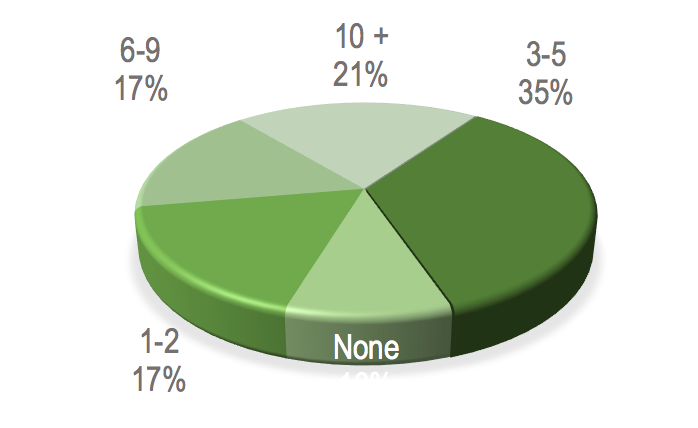
73% have five or more recycles
Physical Hitting
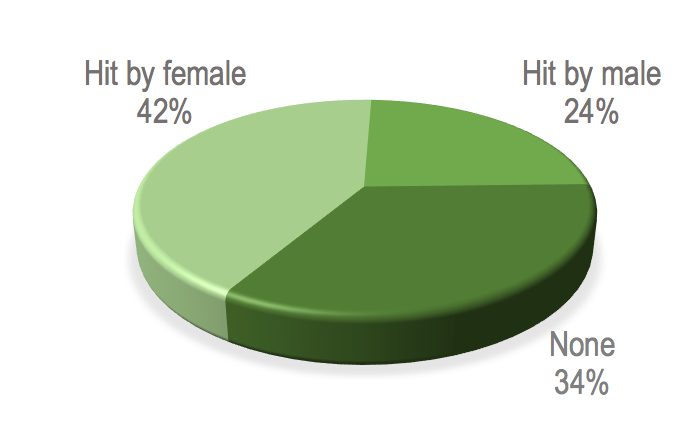
66% of members were hit
Depression Test
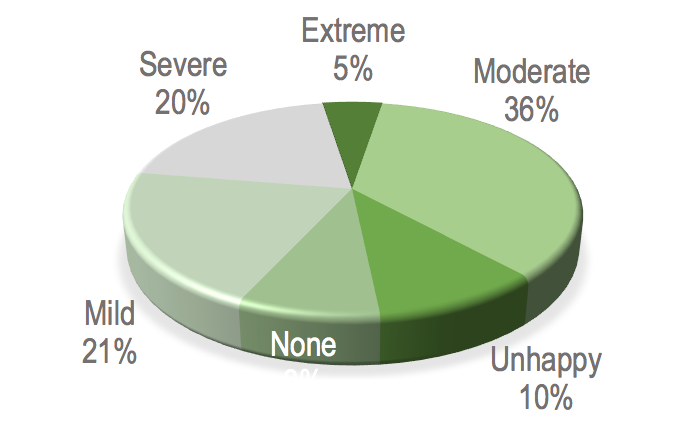
61% of members are moderate-severe
108
BPDFamily.com
>
Children, Parents, or Relatives with BPD
>
Parent, Sibling, or In-law Suffering from BPD
> Topic:
A return after 13 years for advice with my brother
Pages: [
1
]
Go Down
« previous
next »
Print
Author
Topic: A return after 13 years for advice with my brother (Read 4640 times)
ScarletOlive
Retired Staff
Offline
What is your sexual orientation: Straight
Who in your life has "personality" issues: Sibling
Posts: 646
A return after 13 years for advice with my brother
«
on:
January 15, 2026, 03:38:10 AM »
Hey folks, I was staff here over a decade ago while healing from my relationship with my dBPD mother. This place was very helpful as a young adult learning to set boundaries for the first time.
I am back because my youngest brother is 23 and undiagnosed but has all the signs.
After years of severe depression, substance use disorder, stealing, rehab, suicide threats, a psych stay and a TRO, he is currently homeless. I am heartbroken and at a loss.
He has refused therapy, DBT, online CBT, any ownership or accountability or healing. He tried a little after rehab but quickly regressed.
He is deeply sensitive, has few friends because he is miserable to be around, and screams at family and friends and curses us out when angry.
He went to acting school - something our family supported him in start to finish with encouragement, attending his shows, flowers, money, intros to people in the industry or jobs. Yet he lives in a fantasy where he hopes to not audition and simply be "discovered" or get an apartment for free. When angry, he says we never supported his acting and that's why he isn't currently working.
As his big sister, I invite him to join me on drives, shopping, trips, watching a movie, basketball, etc. but he declines and hides in his room scrolling, or joins and then storms off slamming doors to express his pain. He then complains to our siblings that we exclude him.
During his recent psych stay he cursed me out again, told me to leave him alone. He now complains to the one brother he talks to that we have abandoned him.
Our mother was terribly abusive and neglectful, and I raised him from a baby to age 11 when I left for college. He both loves and resents this history with me, which I get. He often seeks validation, empathy, advice, and then resents these even when given in gentleness and as sought.
Last I heard from him was end of December when he cursed me out, and said things to try to hurt me. I told him I would not have a conversation if he continued to speak to me that way. He called the next day from the psych ward asking for help making a housing plan but blamed me for his mental state and made a suicidal threat, to which I told him I loved him but he needs to talk to the psychiatric help if he is dealing with that. He has not contacted me since.
I felt terrible not visiting him for 14 days in the psych hold, and I am devastated that even with years of support he is now homeless. But just like I have not given him money since I learned of his addictions and stealing, I can't fix this for him or force him to be accountable. He has to want it.
I am trying to wait for him to reach out and apologize now. Am I doing the right thing? When is the right time to reach back out?
All this to say, I have worked on my tools: boundaries, mindfulness, empathy, wise mind, DEARMAN, radical acceptance, and yet 14 years of therapy later I still get blindspots when it comes to my family dynamics.
I want to be a good sister to him, and be caring while not enabling. I fear I have probably enabled his behavior in ways I am still blind to and need to find that right balance. Thanks for listening.
Logged
Notwendy
Offline
What is your sexual orientation: Straight
Who in your life has "personality" issues: Parent
Posts: 12459
Re: A return after 13 years for advice with my brother
«
Reply #1 on:
January 15, 2026, 06:21:19 AM »
It's sad to see that others in the family are affected by the dynamics and possibly BPD. My younger sibling has had significant struggles due to the emotional issues in our family situation, not BPD but still very difficult struggles. Fortunately now, employed and doing better-but not because I did anything to make that happen- I think this is something important to know- we can't "save" or change anyone. Family can make suggestions, give advice, but it's up to the person.
We are in contact because there isn't BPD or BPD behaviors. In my own situation, my tolerance for this is pretty low. I also learned through trying that if someone is going to change their behavior- it's up to them. Since you were last on this board, my BPD mother has passed away. She didn't live near me but I was involved with her care and well being in her last years. She had some self destructive behaviors- and if I could have changed that, intervened- for her own well being (and I tried) I would have but she remained legally competent to make her own decisions and so that was up to her.
She also remained in her victim perspective. This is important to keep in mind. If she acted out with someone- and that person kept a distance as a consequence of that behavior- BPD mother would still say she was abandoned. Like your brother- even if he told you to leave and cursed you out- and you did- he still is saying to your other siblings that he was abandoned. It's as if she didn't make the connection between her behavior with someone and that person's reaction- either she truly couldn't or she felt like she couldn't or didn't want to acknowlege that. It's hard to know.
Where I would advise you on your response to your brother is to shift your thinking from his "control" - waiting for him to apologize- to you deciding about this relationship and how much contact to have with him. In general, I think pwBPD don't usually apologize- this might come with shame and shame is a very difficult emotion for them. Or they are thinking from victim perspective and believe they didn't do anything to apologize for.
You also can decide how much contact you want to have. You can decide that you don't want to speak to someone who is cursing at you, no matter who they are. If you make contact and he begins to curse at you, you can disengage from the conversation. How to do this is up to you.
Consider not giving advice. It isn't working anyway. What I learned is that giving unsolicited advice to my mother felt invalidating to her. If she asked me for advice- it was more like emotional caretaking for her- she didn't follow it. I would reply with something more empowering to her "I don't have a good answer but your doctor, accountant, friend (whowever could advise her) would know better than I do" and let her decide to call them or not.
What made this situation different was age and her physical condition. I was her POA. If she truly needed help with a task, I could be involved.
Your brother is 23 and whatever his potential is, enabling could inhibit him from getting there. On the other hand, with his mental illness, it's hard to know what his potential is. You also can consider how much you want to be involved in caretaking a mentally ill person, the relationship (a sibling isn't an elderly parent) and even if you can make a difference, because he needs professional mental health and you aren't his provider.
Also consider his behavior towards you and adjust your expectations. Does he only contact you when he needs something like money? Or is this one way- you are the only one making contact? You can still have a relationship with him and also be aware of the dynamics and nature of his participation. This may be what he's capable of emotionally.
Right now, if he's in a psych care facility- he is where he needs to be. They will determine placement, and also are aware of his lack of housing. If he ends up homeless, this is not any fault of yours. If he is unable to hold a job- they can help him access funds like social security disability, Medicaid, if you are in the US. If he is legally incompetent, they can facilitate guardianship- it can be a family member or the state in this position. It does not have to be you unless you want to do it. Not all mental illnesses render a person legally incompetent though and it sounds like he still is legally competent which still puts him in control of his own choices.
This is a sad situation for him and for you. However, you are not obligated to be involved with this. It's your choice to decide. You can prioritize your own emotional and financial well being.
Logged
Notwendy
Offline
What is your sexual orientation: Straight
Who in your life has "personality" issues: Parent
Posts: 12459
Re: A return after 13 years for advice with my brother
«
Reply #2 on:
January 15, 2026, 08:07:35 AM »
Also, I can relate to wanting to be a good sister to him. I also wanted to be a good daughter to my parents, however, I don't know if it was possible to get that reassurance from my mother. I would visit, spend the whole time doing things for her and she'd find something I did or didn't do that she was upset about. It felt demoralizing.
I had to decide the criteria for being a "good daughter" to her according to my own standards, ability, and willingness to help her, as well as how much of her behavior I could tolerate and still maintain my own emotional well being.
Believing that enabling behavior isn't acting in the other person's best interest- even if they get angry that we don't, helped to avoid doing so. Sometimes we don't do this perfectly. We are humans, we make mistakes sometimes. We do the best we can with this situation.
It's possible your brother may not feel you are a good sister. I hope you can believe this for yourself.
Logged
Pook075
Ambassador
Offline
Gender:
What is your sexual orientation: Straight
Who in your life has "personality" issues: Ex-romantic partner
Relationship status: Divorced
Posts: 2410
Re: A return after 13 years for advice with my brother
«
Reply #3 on:
January 15, 2026, 08:32:16 AM »
Quote from: ScarletOlive on January 15, 2026, 03:38:10 AM
I am trying to wait for him to reach out and apologize now. Am I doing the right thing? When is the right time to reach back out?
Hello and welcome back!
I learned a long time ago that an apology to someone else is more for you than it is for them...especially when mental illness is involved. So my short answer is, reach out and apologize whenever you want. Just don't expect a favorable outcome since it's not about you being forgiven. This is simply to state how you feel and offer a genuine apology.
As far as timing goes, that's 100% up to you. It's better to offer an apology when he's not disordered (if possible), and you should stick to your general guidelines of not accepting abuse while you apologize. Other than that, there's no right or wrong time to reach out.
Logged
Notwendy
Offline
What is your sexual orientation: Straight
Who in your life has "personality" issues: Parent
Posts: 12459
Re: A return after 13 years for advice with my brother
«
Reply #4 on:
January 15, 2026, 09:15:43 AM »
To add some context to this- yes, if the apology is on us, it benefits us to apologize.
What if it's on them to apologize? Expecting that may be unrealistic. It's understandable to want one. It's how we repair relationships if we have done something we are sorry for. That is, if the relationship is between two non disordered people.
If someone is in Victim perspective or is avoiding the extreme discomfort of shame, they may not apologize. What I experienced is that, even if BPD mother has said something hurtful, and stopped contact for a while, when she did reach out, she acted as if nothing happened. The expectation is that we also act like that too. Whether or not she had recall of what she said or did that was hurtful was not possible to know. Sometimes she did and was avoinding shame. Sometimes she was so dysregulated when she said/did it that she didn't recall. The unspoken "rule" was that we don't bring it up - ever. If we did, it would start the conflict again.
This limits the level of emotional connection in the relationship because, without this process, it feels like there's no closure, no accountability on the part of the pwBPD. This is their mental illness.
So in context of the advice- one can reach out at any time- this is true. This puts you in the position of deciding when, not him, and not waiting for him to make the first move or apologize. If you need to apologize, you can do it. If you don't- then don't make one up, we don't need to apologize for something we didn't do. However, I think the "act like nothing happened" and don't bring up what happened is still something to consider. It was the only way to do this with BPD mother.
This was not a normal way to relate to someone but it wasn't a "normal relationship" between family members. BPD affects all relationships. We maintained contact because we chose to but the frequency varied according to her circumstances. Emotonally, for me it was more low contact- as getting into emotional discussions didn't go well for either of us. You can also choose the extent and content of your contact with your brother.
Logged
Strawberry29
Offline
What is your sexual orientation: Straight
Who in your life has "personality" issues: Sibling
Relationship status: married
Posts: 52
Re: A return after 13 years for advice with my brother
«
Reply #5 on:
January 20, 2026, 06:43:41 AM »
My understanding was that the OP was waiting for an apology from her brother, before reconnecting, rather than wanting to apologise herself (not sure about what!).
I have been several times in the same situation with my brother. The way I solved it has been pretty similar to what Notwendy is suggesting. I am personally ok with no apology, as long as there is desire to change and address the things I want to change and thre is respect for my limits. I do not need him to say "I am sorry, it's all my fault", I just need him to behave better and not abuse me.
A couple of months ago instead, I got an email with apologies out of the blue... But it was a weird email, apologising but in his own way... Two minutes later he was asking for money (which he does not need, and no idea why he asked), and when I refused he lashed out and was the usual shenanigans. I still have his "heartfelt" apology written if I want to go and have a read, but it serves no purpose. What I wanted was for him not to go back to do the same things over and over again if I did not do what he wanted.
Logged
ScarletOlive
Retired Staff
Offline
What is your sexual orientation: Straight
Who in your life has "personality" issues: Sibling
Posts: 646
Re: A return after 13 years for advice with my brother
«
Reply #6 on:
January 21, 2026, 03:07:26 AM »
Thank you all for the advice.
Notwendy,
Really appreciate hearing about the situation with your family and how you have handled the relationship. You're right that it can be unrealistic to expect an apology. So far, he apologized for fighting with my dad and my one brother and stealing from the other...but has not apologized to me, my sister, or dad's girlfriend. It is so clear that the damage from our mother, and the succession of female caregivers (first me, then sister, now Dad's gf) triggers his hurts and abandonment. In one incident on Christmas Eve, he grew angry that our dad discovered his renewed stealing and drug use, and lashed out to tell my sister and I he would not be getting us Christmas gifts. He mostly used to sulk in his room and never greet anyone for weeks, occasionally lashing out just to be cruel about the ways I cared for him when he was younger or support him now.
I don't need an apology per se. I do want to see a change.
His birthday is coming up next week and I don't really want to reach out. He is currently homeless, living in his car, working a part time job. I know if I do not do something for his birthday he will never let that go. Part of me does also have compassion that birthdays are a unique circumstance and it might be okay as a gesture of goodwill still.
Thank you for saying I can believe I am a good sister. I do. Trying not to measure my worth in the care I give others.
Thank you for encouraging the shift. For the last many years my perspective has been how can I support him, what can I invite him to, what things does he like, trying to love him well while letting him make his own choices. Maybe loving him is leaving him alone for a while.
I have clear boundaries around cursing at me or saying mean things - I tell him this isn't okay, I deserve respect, and the convo is over. The advice to not give advice is sound. He used to ask me for advice a lot, which I happily give, but then he resents it later because his very need for love and care from a maternal figure triggers him.
Pook, thanks! I gratefully was very regulated, compassionate and mindful in my interactions with him over the holidays. So the apology/behavior change is for him to apologize to me. But I will keep it in mind for the future.
Strawberry29, yes, I am waiting for an apology from him and for him to reach out to me. He hasn't been very kind or even pleasant to be around for a while and has rejected most of my efforts to connect.
I appreciate your take and tend to agree - I don't need an apology itself. Whether it is stated or implied, the core is that I deserve respect in our interactions, and I need my brother to show that respect and effort to change his harmful behavior.
Logged
Pook075
Ambassador
Offline
Gender:
What is your sexual orientation: Straight
Who in your life has "personality" issues: Ex-romantic partner
Relationship status: Divorced
Posts: 2410
Re: A return after 13 years for advice with my brother
«
Reply #7 on:
January 21, 2026, 07:32:19 AM »
Quote from: ScarletOlive on January 21, 2026, 03:07:26 AM
Pook, thanks! I gratefully was very regulated, compassionate and mindful in my interactions with him over the holidays. So the apology/behavior change is for him to apologize to me. But I will keep it in mind for the future.
Aah, so I had it backwards...sorry about that.
BPDs struggle to apologize, even when they realize they're wrong, because it shows vulnerability that can easily be used against them. That's true for all of us, of course, we open up to someone and they reject us...it's painful.
But for BPDs in particular, it's like facing their worst possible fears. Their brains will twist those situations to make it more about them as the victim, hence you don't deserve an apology since you know how much they go through yet you're not supportive. It's an excuse and a lie, for sure, but it is also the truth for them.
All that said, don't hold out for an apology in order to fix the relationship. Either you forgive or you don't. Your brother simply may not be capable.
Logged
HappyChappy
Offline
What is your sexual orientation: Straight
Who in your life has "personality" issues: Parent
Posts: 1697
Re: A return after 13 years for advice with my brother
«
Reply #8 on:
January 26, 2026, 02:15:42 PM »
Quote from: ScarletOlive on January 15, 2026, 03:38:10 AM
After years of severe depression, substance use disorder, stealing, rehab, suicide threats, a psych stay and a TRO, he is currently homeless. I am heartbroken and at a loss.
Substance use disorder, stealing and TRO all relate to impulse control. Depression and suicide threats point to issues with emotional regulation.
Given your brother is keen on acting, improvisation workshops practice techniques to control impulse control and help with emotional regulation. Also research from the NHS suggests that group therapy has worked better (than CBT) with their BPD patients, so being around acting peers may help ?
Pete Davidson (USA/SNL) and Tommy Tiernan (Irish) both excelled at comedy improvisation and shared their BPD diagnosis. They both have humour routines explaining their mental health struggles e.g. here:
https://www.youtube.com/watch?v=FYSolW3beKk
As a staff member you clearly must be doing your best, so be kind to yourself - you deserve it.
Logged
Some cause happiness wherever they go; others, whenever they go. Wilde.
Can You Help Us Stay on the Air in 2024?
Pages: [
1
]
Go Up
Print
BPDFamily.com
>
Children, Parents, or Relatives with BPD
>
Parent, Sibling, or In-law Suffering from BPD
> Topic:
A return after 13 years for advice with my brother
« previous
next »
Jump to:
Please select a destination:
-----------------------------
Help Desk
-----------------------------
===> Open board
-----------------------------
Relationship Partner with BPD (Straight and LGBT+)
-----------------------------
=> Romantic Relationship | Bettering a Relationship or Reversing a Breakup
=> Romantic Relationship | Conflicted About Continuing, Divorcing/Custody, Co-parenting
=> Romantic Relationship | Detaching and Learning after a Failed Relationship
-----------------------------
Children, Parents, or Relatives with BPD
-----------------------------
=> Son, Daughter or Son/Daughter In-law with BPD
=> Parent, Sibling, or In-law Suffering from BPD
-----------------------------
Community Built Knowledge Base
-----------------------------
=> Library: Psychology questions and answers
=> Library: Tools and skills workshops
=> Library: Book Club, previews and discussions
=> Library: Video, audio, and pdfs
=> Library: Content to critique for possible feature articles
=> Library: BPDFamily research surveys
Our 2023 Financial Sponsors
We are all appreciative of the members who provide the funding to keep BPDFamily on the air.
12years
alterK
AskingWhy
At Bay
Cat Familiar
CoherentMoose
drained1996
EZEarache
Flora and Fauna
ForeverDad
Gemsforeyes
Goldcrest
Harri
healthfreedom4s
hope2727
khibomsis
Lemon Squeezy
Memorial Donation (4)
Methos
Methuen
Mommydoc
Mutt
P.F.Change
Penumbra66
Red22
Rev
SamwizeGamgee
Skip
Swimmy55
Tartan Pants
Turkish
whirlpoollife
Loading...