Diagnosis + Treatment
The Big Picture
Dr. Jekyll and Mr. Hyde? [ Video ]
Five Dimensions of Human Personality
Think It's BPD but How Can I Know?
DSM Criteria for Personality Disorders
Treatment of BPD [ Video ]
Getting a Loved One Into Therapy
Top 50 Questions Members Ask
Home page
Forum
List of discussion groups
Making a first post
Find last post
Discussion group guidelines
Tips
Romantic relationship in or near breakup
Child (adult or adolescent) with BPD
Sibling or Parent with BPD
Boyfriend/Girlfriend with BPD
Partner or Spouse with BPD
Surviving a Failed Romantic Relationship
Tools
Wisemind
Ending conflict (3 minute lesson)
Listen with Empathy
Don't Be Invalidating
Setting boundaries
On-line CBT
Book reviews
Member workshops
About
Mission and Purpose
Website Policies
Membership Eligibility
Please Donate
October 03, 2026, 01:22:56 PM
Welcome,
Guest
. Please
login
or
register
.
Did you miss your
activation email?
1 Hour
5 Hours
1 Day
1 Week
Forever
Login with username, password and session length
Board Admins:
Kells76
,
Once Removed
Senior Ambassadors:
SinisterComplex
Help!
Boards
Please Donate
Login to Post
New?--Click here to register
Experts share their discoveries
[video]
100
Caretaking - What is it all about?
Margalis Fjelstad, PhD
Blame - why we do it?
Brené Brown, PhD
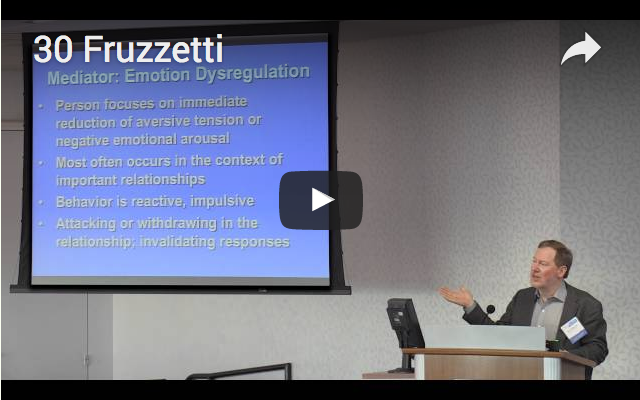
Family dynamics matter.
Alan Fruzzetti, PhD
A perspective on BPD
Ivan Spielberg, PhD
BPDFamily.com
>
Relationship Partner with BPD (Straight and LGBT+)
>
Romantic Relationship | Detaching and Learning after a Failed Relationship
> Topic:
Venting, some people don't get it
Pages: [
1
]
Go Down
« previous
next »
Print
Author
Topic: Venting, some people don't get it (Read 3361 times)
Me88
Offline
What is your sexual orientation: Straight
Who in your life has "personality" issues: Ex-romantic partner
Relationship status: broken up
Posts: 228
Venting, some people don't get it
«
on:
June 30, 2026, 11:24:08 AM »
I've done amazing in my healing journey. Picked up new hobbies. Slowed the drinking so much since it's not my crutch anymore. Lost tons of weight. I feel pretty good almost always.
However, I do still avoid my ex at work. I've seen her in passing. I don't look at her. Make small talk. Tell her one of our dogs passed, no updates nothing. I think this is fair. A group of people here who know 'enough' are starting to annoy me. You're being a btch. Who cares anymore? Go be around her, etc. I see no reason to voluntarily put myself around her when there's literally zero need. It doesn't come off as strength to me. I have nothing to prove.
It makes no sense to posture and go be around her on purpose. Why do I need to prove a thing when this person has assaulted me, abused me in all facets of the word and tried to have the cops come get me? And then ran around telling everyone I was an abusive monster? I just have no want/need to be around her.
And knowing how her brain works she'll see this as some sort of 'in' to reestablish communications. She came to my building yesterday for zero reason. Oh well. My buddy wanted to leave work....early at that, which is another problem in itself, but I said I'm not leaving yet. 1) It's 20 minutes before our tour ends, and 2) Why am I trying to just go make myself known?
I'm not like in hiding and I really am doing better, much better, but I'm also not here trying to strut around in front of her. I don't like her.
Logged
PeteWitsend
Offline
Gender:
What is your sexual orientation: Straight
Who in your life has "personality" issues: Ex-romantic partner
Posts: 1490
Re: Venting, some people don't get it
«
Reply #1 on:
June 30, 2026, 12:04:14 PM »
No one really understands it until they've been on the receiving end of it.
Even my mom, who saw first hand the insanity as she was "painted black" and made into this villain who was trying to ruin BPDxw's life and our marriage, will push me to get in pointless back-and-forth exchanges with her because she thinks me ignoring obvious argument bait is me "not standing up for myself" and crap like that.
It is just how it is.
It's unfortunate for you that you have that continuous connection at your workplace. It's less burdensome than having a child together at least but sounds like more of a steady source of annoyance.
Logged
Me88
Offline
What is your sexual orientation: Straight
Who in your life has "personality" issues: Ex-romantic partner
Relationship status: broken up
Posts: 228
Re: Venting, some people don't get it
«
Reply #2 on:
June 30, 2026, 12:45:07 PM »
It really is annoying, and I'm good at avoiding her when I know she comes around. I have my lookouts. But I'm not all sad and feeling awful anymore. I just simply have no interest in having her be part of my life in any capacity, even in passing. I owe her nothing, not even to share the air we breathe. Some people just don't get it and act like I need to be her friend or something.
I'm not going to manufacture reasons to be around her. Our jobs do not overlap at all. Oh well.
Logged
Notwendy
Offline
What is your sexual orientation: Straight
Who in your life has "personality" issues: Parent
Posts: 12434
Re: Venting, some people don't get it
«
Reply #3 on:
June 30, 2026, 07:43:53 PM »
I don't know why it's anyone's business. I'm sure if the two of you had some work to do where you had to communicate- you'd keep it strictly business. So if you don't- there's no reason to seek her out at work and have an update on your life outside the office.
People who haven't experienced being closely connected to someone with BPD don't get it- as the pwBPD often can hold it together in a more public, less close situation. So I don't even try to explain, it would just reflect poorly on you if you did.
Maybe a reply if they ask "I just want to keep my focus on the job" is about all you can say and hopefully they will just let it go.
It sounds like you are doing some self care- not drinking, keeping a healthy weight and investing in your own well being. It's good you are doing that.
Logged
Me88
Offline
What is your sexual orientation: Straight
Who in your life has "personality" issues: Ex-romantic partner
Relationship status: broken up
Posts: 228
Re: Venting, some people don't get it
«
Reply #4 on:
June 30, 2026, 09:06:53 PM »
Quote from: Notwendy on June 30, 2026, 07:43:53 PM
I don't know why it's anyone's business. I'm sure if the two of you had some work to do where you had to communicate- you'd keep it strictly business. So if you don't- there's no reason to seek her out at work and have an update on your life outside the office.
People who haven't experienced being closely connected to someone with BPD don't get it- as the pwBPD often can hold it together in a more public, less close situation. So I don't even try to explain, it would just reflect poorly on you if you did.
Maybe a reply if they ask "I just want to keep my focus on the job" is about all you can say and hopefully they will just let it go.
It sounds like you are doing some self care- not drinking, keeping a healthy weight and investing in your own well being. It's good you are doing that.
If I absolutely had to, yes. But me and my immediate boss and service chief know that isn't real. So I just avoid. Maybe one day? I'm unsure how. It became a giant deal at work. They'd be dumb to push that.
I have no need or want to update or talk which is why it's annoying that people act like I should do that.
My response is "I simply don't want to be around her".
I'm doing as good as I was before her. Very fit. Focused. I just don't want to explain why it makes sense why I don't want to give her access to me. They don't know or see "her". Although it's coming to light.
Logged
Notwendy
Offline
What is your sexual orientation: Straight
Who in your life has "personality" issues: Parent
Posts: 12434
Re: Venting, some people don't get it
«
Reply #5 on:
July 01, 2026, 05:19:37 AM »
Quote from: Me88 on June 30, 2026, 09:06:53 PM
If I absolutely had to, yes. But me and my immediate boss and service chief know that isn't real. So I just avoid. Maybe one day? I'm unsure how. It became a giant deal at work. They'd be dumb to push that.
I have no need or want to update or talk which is why it's annoying that people act like I should do that.
My response is "I simply don't want to be around her".
I'm doing as good as I was before her. Very fit. Focused. I just don't want to explain why it makes sense why I don't want to give her access to me. They don't know or see "her". Although it's coming to light.
That's completely fine. It's your business and I'd want to keep that out of the workplace as much as possible. You aren't obligated to explain. The other statement could be used if you felt cornered. This is your job, keeping this personal business out of discussions is your boundary.
For the coworkers too. Work relationships have their own boundaries. Although over time, we do know about each other- who their partners are- or families, if someone is out of work with an illness or a good event, like a wedding- still- we don't pry into someone's personal business. Saying you don't want to see her is enough of a response.
You don't have to make an attempt to see her. Some relationships are completely over, and that's it- and that is what this is. For some people, it can't have this separation- such as if they are coparents, or related. In your case- it's entirely possible, and acceptable, to have no reason to see her.
Why this is becoming a topic at work- it's hard to really know, but if I were to guess, people may have asked her- and she took victim perspective. Victim perspective avoids accountability, and shame. If asked, she may have said something like "I don't know why he doesn't come talk to me, I didn't do anything to deserve this". This also enlists kind people as rescuers- fixers- who then come to you to ask, wanting to help smooth things over.
If you respond with the truth, you become part of this triangulation as persecutor, "saying bad things about her" and it reflects poorly on you. You don't want to be part of this Karmpan triangle drama and have it affect your work. To stay off this "drama triangle" you need to see it for what it is and keep your boundary of not discussing this at all.
Will others "see" it?- maybe, maybe not. That's between them and her- and it will go however it goes. My situation was different from yours, it's a parent- but even so, there were similarities with only a few people outside the family ever "seeing" her issues. Most didn't. If I had said anything, I'd have been seen as the disrespectful person saying "bad things about her" and let them have their own experiences with her.
It's even happened with a friendship. I know a person who is disordered and some people have mentioned they think she has BPD. A mutual friend of ours thinks she's just wonderful but he hasn't gotten as close to her as some other people who have seen her disturbing behavior. BPD affects all relationships but it affects the closest ones the most, so the behaviors can vary in different circumstances.
Your focus is on your well being and that is exactly where it should be. Your co-workers will have their own experiences with her- and you don't have to explain anything to them.
Logged
Under The Bridge
Offline
What is your sexual orientation: Straight
Who in your life has "personality" issues: Ex-romantic partner
Relationship status: broken up
Posts: 279
Re: Venting, some people don't get it
«
Reply #6 on:
July 01, 2026, 11:28:04 AM »
Quote from: Me88 on June 30, 2026, 11:24:08 AM
And knowing how her brain works she'll see this as some sort of 'in' to reestablish communications.
That's a fact. As you're adamant you definitely want no further contact with her then you ironically have to use the BPD 'split her totally black' attitude and keep100% zero contact.
In normal relationships we may be able to still carry on as friends with our ex to some extent, but mental illness is involved here; we may have moved on but they won't, to them it will be 'business as usual' if they think you still want some connection, however tiny.
Keep putting yourself first and enjoy your happy, healthy and non-chaotic life, long may it continue.
Logged
Me88
Offline
What is your sexual orientation: Straight
Who in your life has "personality" issues: Ex-romantic partner
Relationship status: broken up
Posts: 228
Re: Venting, some people don't get it
«
Reply #7 on:
July 01, 2026, 11:38:43 AM »
Yeah, I'm 100% certain I can't ever go back or have contact. I have a weird rule that once someone hooks up with or has sex with someone after me...I'm disgusted and wouldn't want to even shake their hand again haha I'm weird in that respect. I have no evidence she has, but if I had to bet my life on it I would say with several people...especially since we started having sex like the same week she left her fiancé. How stupid was I.
I will always advocate for peace at work until I can find a promotion at the other location down the street.
Or if she gets fired, I'm unsure how she is able to come into work at 10am-11am every day and not get told anything.
And I dread the day her very sick dad passes away. That could spark an in person attempt from her. No other exes of mine have hovered like this and it's very annoying.
Logged
Under The Bridge
Offline
What is your sexual orientation: Straight
Who in your life has "personality" issues: Ex-romantic partner
Relationship status: broken up
Posts: 279
Re: Venting, some people don't get it
«
Reply #8 on:
July 01, 2026, 04:55:54 PM »
Quote from: Me88 on July 01, 2026, 11:38:43 AM
I have a weird rule that once someone hooks up with or has sex with someone after me...I'm disgusted and wouldn't want to even shake their hand againy day and not get told anything.
I'm the same. We know that BPD's will say and threaten things they won't carry out but if they sleep with someone then that's an actual act and can't be ignored.
Me and my ex had some longish breaks during our time - one was about 9 months duration - and I have no idea if she was seeing anyone during those breaks. I had no concrete evidence she was so always gave her the benefit of the doubt. She would sometimes say 'I'm going home with XXXX tonight' when she was in a mood but she never did - she knew that if she ever did something like that then I really would never see her again.
Definitely need to be strong and resist being drawn back in if anything happens to her father and she uses it as an excuse for contact. We can all relate to being pulled back into the game so keep telling yourself that her life is totally her own now and nothing that happens can concern you.
Logged
Me88
Offline
What is your sexual orientation: Straight
Who in your life has "personality" issues: Ex-romantic partner
Relationship status: broken up
Posts: 228
Re: Venting, some people don't get it
«
Reply #9 on:
July 01, 2026, 07:52:58 PM »
Quote from: Under The Bridge on July 01, 2026, 04:55:54 PM
I'm the same. We know that BPD's will say and threaten things they won't carry out but if they sleep with someone then that's an actual act and can't be ignored.
Me and my ex had some longish breaks during our time - one was about 9 months duration - and I have no idea if she was seeing anyone during those breaks. I had no concrete evidence she was so always gave her the benefit of the doubt. She would sometimes say 'I'm going home with XXXX tonight' when she was in a mood but she never did - she knew that if she ever did something like that then I really would never see her again.
Definitely need to be strong and resist being drawn back in if anything happens to her father and she uses it as an excuse for contact. We can all relate to being pulled back into the game so keep telling yourself that her life is totally her own now and nothing that happens can concern you.
100%. Even during our faux one month breakup I made sure to tell her we'll take this time to better ourselves for eachother. A break, which I never believed in until I did it with her, meant no dates, texting men, kissing, sex, nothing. Zero contact with members of the opposite sex. She said she didn't and I believe it because the weird breakup was odd in that after a few days she was at my house everyday, slept here, showered, her belongings were still here. Nonsense.
And yeah, before dating me she never saw her dad according to her, because he was abusive. Albeit, not physically, emotionally, sexually...her words too. So I'm unsure what that even means. Probably just more lies and victimization. Because apparently I'm abusive in all meanings of the word and a Narcissist. I convinced her to rekindle that relationship given his health, we helped him move into his new gfs home, many things.
So I see that as some sort of leverage on her end given he's quite old, strangely given her age. Surgeries, kidney issues, etc. That's my next fear/hurdle. My only response that I rehearse is "I'm sorry for your loss and I hope you and your family can heal and grow together". And that's only if she's brave enough to make an in person approach at work or come to my house since she's blocked everywhere.
But who knows, maybe her sister too, who has a dozen mental health diagnoses as well and is just an overall mess. That entire family has some sad issues. I wish I was never dumb enough to start this relationship.
Logged
Pook075
Ambassador
Offline
Gender:
What is your sexual orientation: Straight
Who in your life has "personality" issues: Ex-romantic partner
Relationship status: Divorced
Posts: 2395
Re: Venting, some people don't get it
«
Reply #10 on:
July 02, 2026, 01:45:19 AM »
Maybe this will help give some perspective.
I'm a huge NFL football fan and my hometown team has been average for about 20 years now. They've consistently beat some of the top teams in the league, and they've consistently blown games against the worst of the worst. It's perplexing to say the least and they're just not consistent.
On the football forum I've posted on for gosh, maybe 25-30 years now, some people are sky high with the first few wins of the season and 100% doom/gloom after a few losses. I've never understood that though because if your only focus is being league champs, 31 of 32 franchises are going to be miserable every season. Only 1 team ultimately wins, so why put all your hope in the final outcome? To me, that takes away from actually enjoying the season and the big plays, etc.
For me, I enjoy each game week by week, regardless if we win or lose. If we get blown out, okay, maybe there's not a lot of positives there. But even then, teams usually bounce back and have a great game the following week. That mindset lets me enjoy my team regardless of circumstances.
What's the point here? You dated a mentally ill woman. There were some great memories and some lousy ones. You helped her reconnect with family, you helped her dig deeper into herself. And no, you didn't "fix her". But none of us ever have. That would be the "Super Bowl" of BPD relationships, if one of us figured out how to completely heal our partners.
You had a journey- some good, some bad. That's okay. Enjoy the fond memories and let go of the ugly ones. Forgive her for being broken.
Why? The relationship has been over for awhile now, but she still has power over you. What's she going to do? What's she gonig to say to someone next? Where will she show up next? You have to let all of that stuff go, and the path to doing that is actually forgiving her from within. That doesn't mean you'll be friends again or anything like that either- that's not what this is about. It's to allow you to heal and truly move on, even though you see her weekly still.
Sometimes we want to look back on the relationship and declare it total failure because it ultimately ended. I don't see it that way though. We lived and learned and loved and did the best we could. It's more about the journey and the growth than it is the end result. And you've certainly frown signifigantly from her being in your life. That's not a bad thing at all.
Logged
Notwendy
Offline
What is your sexual orientation: Straight
Who in your life has "personality" issues: Parent
Posts: 12434
Re: Venting, some people don't get it
«
Reply #11 on:
July 02, 2026, 05:37:09 AM »
Quote from: Me88 on July 01, 2026, 11:38:43 AM
Yeah, I'm 100% certain I can't ever go back or have contact. I have a weird rule that once someone hooks up with or has sex with someone after me...I'm disgusted and wouldn't want to even shake their hand again haha I'm weird in that respect. I have no evidence she has, but if I had to bet my life on it I would say with several people...especially since we started having sex like the same week she left her fiancé. How stupid was I.
I will always advocate for peace at work until I can find a promotion at the other location down the street.
Or if she gets fired, I'm unsure how she is able to come into work at 10am-11am every day and not get told anything.
And I dread the day her very sick dad passes away. That could spark an in person attempt from her. No other exes of mine have hovered like this and it's very annoying.
We don't always have a choice of who we speak to. We may have to speak to an annoying co-worker, or relative, but in this case- you do have the choice, unless it's a direct contact situation at work that is unavoidable. You don't have to talk to her if it's not absolutely necessary.
As to not wanting to have contact with someone again after they've been with someone else- that's still your choice. You don't have to consider it weird- preferences are personal. We don't choose co-workers, or family- but we do choose who to have a relationship with and how people behave is part of that choice. Boundaries like that protect both people- because if you did reconnect and felt that way- you'd feel disgusted and they'd sense that and be unhappy. You don't have to compromise yourself.
It's possible she's take victim perspective with someone at the office and they are unknowingly stepping in as rescuers. IMHO the best way to let drama fizzle is to not react with emotion, or give any fuel to it. Act ethically, keep focused on work. You have a lot of control here- you can block her on your phone, on social media, not reply to messages and emails. The concept "gray rock". PwBPD may thrive on drama. If you don't supply it- they may move on. People are mostly focused on themselves and their own needs, and tend to have a short attention span to gossip, drama- and without reacting- it will fizzle out in time.
If her father passes, that is sad, but you are not her emotional caretaker. You don't have to respond to that either, and if you think responding will prompt an attempt to reach out- don't do it, because you don't want to send a message that could be misinterpreted. IMHO it's not being uncaring- it's respecting a boundary.
You can hold your own boundary with someone you don't want any contact with. If you ran into her and she mentioned it- you could say "sorry for your loss" and then excuse yourself from further conversation.
Logged
Notwendy
Offline
What is your sexual orientation: Straight
Who in your life has "personality" issues: Parent
Posts: 12434
Re: Venting, some people don't get it
«
Reply #12 on:
July 02, 2026, 06:37:50 AM »
Quote from: Pook075 on July 02, 2026, 01:45:19 AM
Sometimes we want to look back on the relationship and declare it total failure because it ultimately ended. I don't see it that way though. We lived and learned and loved and did the best we could. It's more about the journey and the growth than it is the end result. And you've certainly grown signifigantly from her being in your life. That's not a bad thing at all.
To follow up on this- you have learned from this. Before this relationship- you didn't know what you would experience. Rather than see this in a wrong/right context- consider what you'd do differently in the next relationship, when that happens and if it takes some time in between- that's good too.
Being single is also an opportunity for growth. Without someone else in your focus, you can focus on who you are, as a person, and what kind of relationship you want one day. You are already doing this by staying fit, focusing on work.
You weren't being "stupid". I know a few people who I think are competent and smart people and who have "fallen" for disordered people. It is hard to tell in the beginning. It's hard to really know anyone in the beginning as everyone puts their best foot forward when meeting someone new.
There's some red flags to sleeping with someone a week after ending a relationship with a fiance, but it's not just the act. It's the speed of the new relationship and that there wasn't any time between ending a serious relationship and starting a new one. Finding a new one quickly is more of an act of self soothing than dealing with the loss.
I'm married and so not dating but even in my every day life I meet people that I feel cautious about.
Speaking of prior experiences too quickly and from victim perspective is another red flag. Sharing TMI right away shows lack of boundaries. If I meet someone- male or female- even only on a friend basis-and they quickly start sharing very personal information with me, to me, that's a sign to be cautious.
Trust your gut. Sometimes I might meet someone and feel a sense of unease around them. Pay attention to your feelings in any relationship.
Don't be bitter and shut everyone out but also be cautious and don't move quickly in relationships. Friendships, and more than that, are built over time.
Logged
Me88
Offline
What is your sexual orientation: Straight
Who in your life has "personality" issues: Ex-romantic partner
Relationship status: broken up
Posts: 228
Re: Venting, some people don't get it
«
Reply #13 on:
July 02, 2026, 10:31:58 AM »
I only vent here now which I think is good. At work I'm calm/productive. I have 'seen' her in passing a few times and never reacted, made any contact of any sort. That's how I'm going to keep it. She comes into my building, I'm not freaked out anymore. Time has definitely helped and I'm absolutely working on myself while choosing to be single. I just get annoyed when people either try to make me work with her on things that are truly not necessary (I'm not even being biased, there's no business need), or want me to almost befriend her again.
I am doing a million times better but I know my posts don't read that way.
Logged
Pook075
Ambassador
Offline
Gender:
What is your sexual orientation: Straight
Who in your life has "personality" issues: Ex-romantic partner
Relationship status: Divorced
Posts: 2395
Re: Venting, some people don't get it
«
Reply #14 on:
July 02, 2026, 10:43:19 AM »
Quote from: Me88 on July 02, 2026, 10:31:58 AM
I only vent here now which I think is good. At work I'm calm/productive. I have 'seen' her in passing a few times and never reacted, made any contact of any sort. That's how I'm going to keep it. She comes into my building, I'm not freaked out anymore. Time has definitely helped and I'm absolutely working on myself while choosing to be single. I just get annoyed when people either try to make me work with her on things that are truly not necessary (I'm not even being biased, there's no business need), or want me to almost befriend her again.
I am doing a million times better but I know my posts don't read that way.
And that's okay...keep coming here to vent. Sometimes we vent right back at you. Just know that the peer support here is never criticism; it's advice on what helped in other people's lives for them. Maybe it's helpful, maybe not. But the intent is there anyway and I think most here are genuine in want to help.
Your situation is pretty unique since you're in the same building (well, one building over) from your ex daily and have to interact with overlapping co-workers. I can see others in the office thinking, "They used to be so close, hopefully they can get that back and maybe they'd even work if they gave it another chance." They also probably have good intentions and they don't know your full story of what's happened and how impossible it was at times. Honestly, there's nothing you can do about that other than to politely decline their offers of encouragement.
I'm very glad that things are continuing to get better for you. Keep it up!
Logged
Notwendy
Offline
What is your sexual orientation: Straight
Who in your life has "personality" issues: Parent
Posts: 12434
Re: Venting, some people don't get it
«
Reply #15 on:
July 03, 2026, 05:51:22 AM »
Quote from: Me88 on July 02, 2026, 10:31:58 AM
I only vent here now which I think is good.
I am doing a million times better but I know my posts don't read that way.
It's OK to vent, we all do at times. I also think you are doing well. If I post advice to hold your boundary- it's to validate you- and what you are doing. To have minimal to no contact with this ex is fine- and it may be exactly what you need. Being cordial and not too personal at work is a standard. We know who we can be "friends" with at work, but even so, there are work boundaries and topics that don't belong in the workplace. Personal aspects of relationships are one of them.
My best guest is that she's oversharing and people hearing only her version are trying to be kind to her. You are the one with the work appropriate professional behavior and can keep that standard.
Logged
Can You Help Us Stay on the Air in 2024?
Pages: [
1
]
Go Up
Print
BPDFamily.com
>
Relationship Partner with BPD (Straight and LGBT+)
>
Romantic Relationship | Detaching and Learning after a Failed Relationship
> Topic:
Venting, some people don't get it
« previous
next »
Jump to:
Please select a destination:
-----------------------------
Help Desk
-----------------------------
===> Open board
-----------------------------
Relationship Partner with BPD (Straight and LGBT+)
-----------------------------
=> Romantic Relationship | Bettering a Relationship or Reversing a Breakup
=> Romantic Relationship | Conflicted About Continuing, Divorcing/Custody, Co-parenting
=> Romantic Relationship | Detaching and Learning after a Failed Relationship
-----------------------------
Children, Parents, or Relatives with BPD
-----------------------------
=> Son, Daughter or Son/Daughter In-law with BPD
=> Parent, Sibling, or In-law Suffering from BPD
-----------------------------
Community Built Knowledge Base
-----------------------------
=> Library: Psychology questions and answers
=> Library: Tools and skills workshops
=> Library: Book Club, previews and discussions
=> Library: Video, audio, and pdfs
=> Library: Content to critique for possible feature articles
=> Library: BPDFamily research surveys
Our 2023 Financial Sponsors
We are all appreciative of the members who provide the funding to keep BPDFamily on the air.
12years
alterK
AskingWhy
At Bay
Cat Familiar
CoherentMoose
drained1996
EZEarache
Flora and Fauna
ForeverDad
Gemsforeyes
Goldcrest
Harri
healthfreedom4s
hope2727
khibomsis
Lemon Squeezy
Memorial Donation (4)
Methos
Methuen
Mommydoc
Mutt
P.F.Change
Penumbra66
Red22
Rev
SamwizeGamgee
Skip
Swimmy55
Tartan Pants
Turkish
whirlpoollife
Loading...