Diagnosis + Treatment
The Big Picture
Dr. Jekyll and Mr. Hyde? [ Video ]
Five Dimensions of Human Personality
Think It's BPD but How Can I Know?
DSM Criteria for Personality Disorders
Treatment of BPD [ Video ]
Getting a Loved One Into Therapy
Top 50 Questions Members Ask
Home page
Forum
List of discussion groups
Making a first post
Find last post
Discussion group guidelines
Tips
Romantic relationship in or near breakup
Child (adult or adolescent) with BPD
Sibling or Parent with BPD
Boyfriend/Girlfriend with BPD
Partner or Spouse with BPD
Surviving a Failed Romantic Relationship
Tools
Wisemind
Ending conflict (3 minute lesson)
Listen with Empathy
Don't Be Invalidating
Setting boundaries
On-line CBT
Book reviews
Member workshops
About
Mission and Purpose
Website Policies
Membership Eligibility
Please Donate
October 27, 2026, 12:49:15 PM
Welcome,
Guest
. Please
login
or
register
.
Did you miss your
activation email?
1 Hour
5 Hours
1 Day
1 Week
Forever
Login with username, password and session length
Board Admins:
Kells76
,
Once Removed
Senior Ambassadors:
SinisterComplex
Help!
Boards
Please Donate
Login to Post
New?--Click here to register
Survey: How do you compare?
Adult Children Sensitivity
67% are highly sensitive
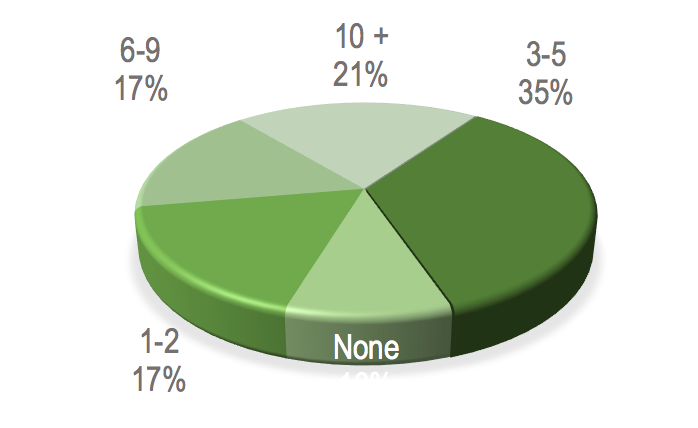
Romantic Break-ups
73% have five or more recycles
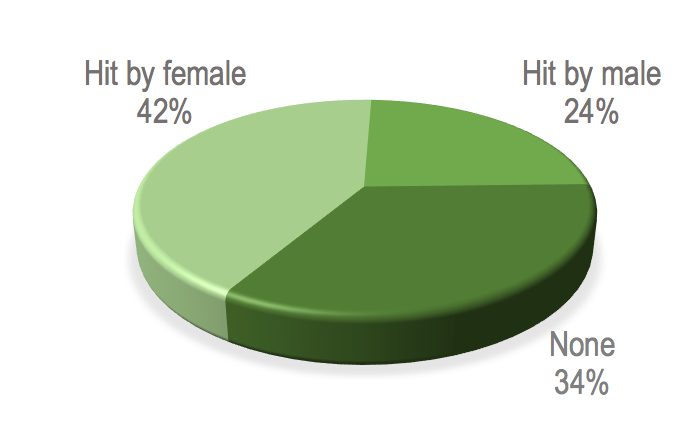
Physical Hitting
66% of members were hit
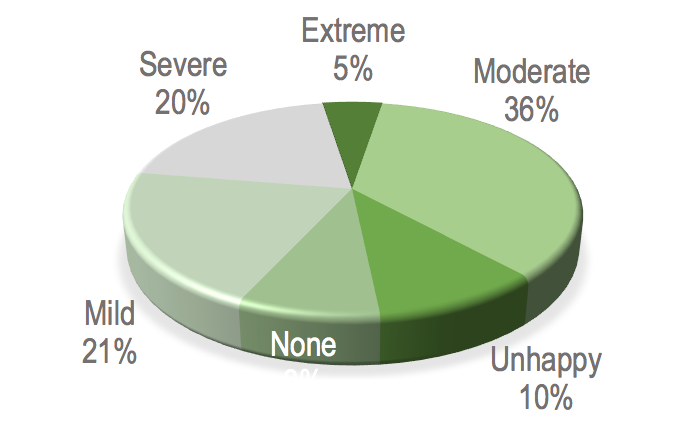
Depression Test
61% of members are moderate-severe
108
BPDFamily.com
>
Relationship Partner with BPD (Straight and LGBT+)
>
Romantic Relationship | Bettering a Relationship or Reversing a Breakup
> Topic:
New to BPD and navigating through our first speedbump
Pages: [
1
]
Go Down
« previous
next »
Print
Author
Topic: New to BPD and navigating through our first speedbump (Read 585 times)
BPDpartner15
Offline
What is your sexual orientation: Straight
Who in your life has "personality" issues: SELECT ONE [Required]
Relationship status: Dating
Posts: 7
New to BPD and navigating through our first speedbump
«
on:
October 21, 2026, 02:56:33 PM »
Hello everyone. My girlfriend and I have been dating long distance for several months. She has BPD and attends weekly therapy. We have met in person. The relationship is really good. I'm 46 and it's the best communication and openness I've ever had in a relationship.
We've recently hit our first bump in the road. She told me she is afraid of hurting me or my kids (emotionally) down the road if the relationship progresses and she has a volitile episode. She said she is thinking of ending a perfectly good relationship over it.
I am committed and dedicated to her and learning I all can about BPD and supporting her continued healing. I am also dedicated to improving myself and how to be the best partner I can for her.
Has anyone had a similar experience? How did you overcome your partner's fear of hurting you in the future?
Logged
RELATIONSHIP PROBLEM SOLVING
This is a high level discussion board for solving ongoing, day-to-day relationship conflicts. Members are welcomed to express frustration but must seek constructive solutions to problems. This is not a place for relationship "stay" or "leave" discussions. Please read the specific guidelines for this group.
ForeverDad
Retired Staff
Online
Gender:
What is your sexual orientation: Straight
Who in your life has "personality" issues: Ex-romantic partner
Relationship status: separated 2005 then divorced
Posts: 19489
You can't reason with the Voice of Unreason...
Re: New to BPD and navigating through our first speedbump
«
Reply #1 on:
October 21, 2026, 10:52:25 PM »
I can admire her being up front about her issues and concerns, something that is often denied and hidden. Might she be preparing you to accept future incidents as though they were out of her control? Or, in other words, is she trying to tell you that such incidents should be viewed as "two steps forward but one step back"? Something to ponder.
I've often noted that conflict with people with BPD traits (pwBPD) is often reported reduced due to the lessened contact - and distance apart - so the question is posed, How might the relationship fare when the distance apart is less?
Often observed here is that ongoing therapy is essential, applied meaningfully in life, perceptions and behavior. Be reminded that even meaningful therapy is not a cure. BPD exists on a spectrum and very likely therapy will be necessary for years to come, perhaps even life-long.
Does she have a therapist who is capable of addressing Borderline patterns and does she apply the insight and "mindfulness" in her life? Saying one thing is somewhat easy, actually doing it over a lifespan is so much harder to accomplish.
Only you can decide whether the long term outcome - and whatever costs may come with it - is one for you to choose.
«
Last Edit: October 21, 2026, 10:55:26 PM by ForeverDad
»
Logged
Alz123
Offline
What is your sexual orientation: Straight
Who in your life has "personality" issues: Romantic partner
Relationship status: Married
Posts: 20
Re: New to BPD and navigating through our first speedbump
«
Reply #2 on:
October 22, 2026, 02:02:31 AM »
Quote from: BPDpartner15 on October 21, 2026, 02:56:33 PM
Hello everyone. My girlfriend and I have been dating long distance for several months. She has BPD and attends weekly therapy. We have met in person. The relationship is really good. I'm 46 and it's the best communication and openness I've ever had in a relationship.
We've recently hit our first bump in the road. She told me she is afraid of hurting me or my kids (emotionally) down the road if the relationship progresses and she has a volitile episode. She said she is thinking of ending a perfectly good relationship over it.
I am committed and dedicated to her and learning I all can about BPD and supporting her continued healing. I am also dedicated to improving myself and how to be the best partner I can for her.
Has anyone had a similar experience? How did you overcome your partner's fear of hurting you in the future?
This is great that your girlfriend has been honest about her diagnosis and that she is attending therapy. I would also be interested to know what type of therapy she is getting because standard therapy / counselling is unlikely to help and can sometimes make things worse.
She is lucky to have someone so dedicated to supporting and learning about BPD and 'improving yourself to be the best partner for her'. I would encourage you to be aware of this though that you don't end up sacrificing yourself for the relationship and her difficulties. This is something I could see myself slipping into to prevent any more speed bumps. Although the speed bumps ended up being giant potholes!
Your girlfriend sounds like she knows herself well and that the reactions that come with BPD can cause a lot of pain to those close to her. So her fear is likely not irrational. She probably is going to have volatile episodes and say or do hurtful things. Have you asked her what a volatile episode usually looks like and how best you can navigate it when it does happen? The nature of BPD is a push / pull dynamic. It's the fearful avoidant attachment pattern - I want you close but when you get close I need to push you away.
My husband's fear wasn't expressed but I'm sure it was something he felt inside. I guess he dealt with it by marrying me in the hope that the legal connection would override any fear of hurting me and ultimately me leaving. If he'd have expressed that fear we would have had more to work with.
I really hope you can work through this together
Logged
Pook075
Ambassador
Offline
Gender:
What is your sexual orientation: Straight
Who in your life has "personality" issues: Ex-romantic partner
Relationship status: Divorced
Posts: 2414
Re: New to BPD and navigating through our first speedbump
«
Reply #3 on:
October 22, 2026, 04:30:34 AM »
Quote from: BPDpartner15 on October 21, 2026, 02:56:33 PM
Has anyone had a similar experience? How did you overcome your partner's fear of hurting you in the future?
Hello and welcome to the family. We have all experienced what you're going through now and it's fairly common with a BPD partner. Many relationships fall apart over this exact problem- the BPD person fears they're going to let the partner down or make their life harder, so they focus on everything negative until they convince themselves that you're going to leave. So what do they do? They leave before you can hurt them by leaving.
It sounds counter-intuititive, but that's literally all of our stories here, the beginning of the end. Things are great, then they're awkward for a few weeks, then they run.
Now, I'm now saying that your relationship is ending. Instead, I'm pointing out how important this exact topic is in BPD relationships because it will become more intense over time, particularly when your partner is under a decent bit of stress. It could be around the holidays, or the week a family member passed, or just a tough stretch at work or whatever. How you deal with this will set the tone on how the relationship progresses.
To answer your specific question about overcoming this, it's about positive reinforcement, validating their feelings, and letting them know how much they mean to you. So tell them how you feel often, especially when things are a little tense. I love you and I'm not going anywhere. It's okay, we can work through this together.
The other side of that, the validation part, you know what it feels like to be scared or rejected. So empathize with that and let her know that you understand. This helps her thought patterns "level out" and keeps things from getting worse. Tell her that you want to talk about it, you want to be there and to help her. And let her know that you feel like that sometimes as well, that you don't have it all together 100% of the time.
I hope that helps!
Logged
BPDpartner15
Offline
What is your sexual orientation: Straight
Who in your life has "personality" issues: SELECT ONE [Required]
Relationship status: Dating
Posts: 7
Re: New to BPD and navigating through our first speedbump
«
Reply #4 on:
October 22, 2026, 09:04:49 AM »
Your girlfriend sounds like she knows herself well and that the reactions that come with BPD can cause a lot of pain to those close to her. So her fear is likely not irrational. She probably is going to have volatile episodes and say or do hurtful things. Have you asked her what a volatile episode usually looks like and how best you can navigate it when it does happen? The nature of BPD is a push / pull dynamic. It's the fearful avoidant attachment pattern - I want you close but when you get close I need to push you away.
She does seem to know herself pretty well. She did share some of her more extreme episodes from years passed before she was in therapy. She also sent me a bunch of Instagram videos about how bad BPD can be. She said to help educate me but she may also be trying to push me to leaving with these extreme examples. I'm not entirely sure since we're still in a little bit of limbo. She has agreed to talk about her fears from a couple days ago when she is ready.
In the meantime I've been working on regulating myself since I was a bit triggered the first day or so with my own fear of abdonment and past heartbreak. But that's a big reason I am here and educating myself in the meantime. Both to assist in my own well being and learn how to speak and act better and more supportive in the relationship. I don't think it's worth throwing away a really good relationship over this. She's worth the effort and being loved the right way.
Logged
ForeverDad
Retired Staff
Online
Gender:
What is your sexual orientation: Straight
Who in your life has "personality" issues: Ex-romantic partner
Relationship status: separated 2005 then divorced
Posts: 19489
You can't reason with the Voice of Unreason...
Re: New to BPD and navigating through our first speedbump
«
Reply #5 on:
October 22, 2026, 11:30:23 AM »
One of the most effective therapeutic approaches is Dialectical Behavioral Therapy (DBT) which teaches how to practice mindfulness, use a wise mind and more. Be aware that her therapist may not have been specific, even to the patient, on naming which therapy is being used since pwBPD can get triggered with details and specifics.
Also, our collective wisdom has been accumulated over time and has many tools, skills and time-tested strategies over on our
Tools & Skills Workshops board
.
Logged
Under The Bridge
Offline
What is your sexual orientation: Straight
Who in your life has "personality" issues: Ex-romantic partner
Relationship status: broken up
Posts: 292
Re: New to BPD and navigating through our first speedbump
«
Reply #6 on:
October 22, 2026, 02:01:18 PM »
Welcome from me too
Pook's reply sums everything up beautifully. You are fortunate in that your partner knows she has problems and is aware of them enough to be worried that it will affect her relationship with you. She's expressing that she does want to be with you by 'warning' you of how she may act.
In most BPD relationships, the sufferer won't even admit they have a problem, let alone show any concern for their partner's feelings. This makes any sort of treatment or coping almost impossible and in the end it simply comes down to how much the non-BPD partner is prepared to endure to keep things going.
I think you have the chance of a great relationship if you validate her feelings and show you're there for her. My very best wishes.
Logged
BPDpartner15
Offline
What is your sexual orientation: Straight
Who in your life has "personality" issues: SELECT ONE [Required]
Relationship status: Dating
Posts: 7
Re: New to BPD and navigating through our first speedbump
«
Reply #7 on:
October 22, 2026, 08:53:52 PM »
Thank you everyone. It's comforting to know others have been in my situation.
I will do my best to continue to validate her feelings and tell her she is supported. I told her I had joined an online support group and I have found a course to take so I could understand more about all of this.
I'll follow up when we have an outcome/resolution.
Thank you again!
Logged
ForeverDad
Retired Staff
Online
Gender:
What is your sexual orientation: Straight
Who in your life has "personality" issues: Ex-romantic partner
Relationship status: separated 2005 then divorced
Posts: 19489
You can't reason with the Voice of Unreason...
Re: New to BPD and navigating through our first speedbump
«
Reply #8 on:
October 22, 2026, 10:17:33 PM »
Just so you know, this site is for those of us reasonably normal people who are faced with dealing with the chaos of a variety of relatives and relationships impacted by BPD. Your GF may benefit from her own therapy and other sites designed for people dealing with their BPD traits (pwBPD) but, I say this kindly, this site is not for her. Sooner or later she would probably get triggered by some of the issues discussed here. Just so you know, we here are part of your peer support resources above and beyond whatever counselors you may have sessions with, we are here for you.
Logged
BPDpartner15
Offline
What is your sexual orientation: Straight
Who in your life has "personality" issues: SELECT ONE [Required]
Relationship status: Dating
Posts: 7
Re: New to BPD and navigating through our first speedbump
«
Reply #9 on:
October 22, 2026, 10:23:40 PM »
She is in her own therapy.
I was saying that I told her I found a support group for me....with others in relationships or family of people with BPD. Same goes for the online group class. It's for me, not her. It is another site for family members and partners. I apologize if there was any confusion on how I worded it earlier.
Logged
ForeverDad
Retired Staff
Online
Gender:
What is your sexual orientation: Straight
Who in your life has "personality" issues: Ex-romantic partner
Relationship status: separated 2005 then divorced
Posts: 19489
You can't reason with the Voice of Unreason...
Re: New to BPD and navigating through our first speedbump
«
Reply #10 on:
October 22, 2026, 11:06:12 PM »
No worries whatsoever. We have lots of visitors here and I merely wanted clarity to others that this site is for us and, to a great extent, our refuge.
Logged
PeteWitsend
Offline
Gender:
What is your sexual orientation: Straight
Who in your life has "personality" issues: Ex-romantic partner
Posts: 1495
Re: New to BPD and navigating through our first speedbump
«
Reply #11 on:
October 23, 2026, 12:05:37 PM »
Quote from: BPDpartner15 on October 21, 2026, 02:56:33 PM
...
We've recently hit our first bump in the road. She told me she is afraid of hurting me or my kids (emotionally) down the road if the relationship progresses and she has a volitile episode. She said she is thinking of ending a perfectly good relationship over it.
...
Has anyone had a similar experience? How did you overcome your partner's fear of hurting you in the future?
Well, I didn't have this exact situation, but I did hear this phrase, or some variation of it, several times during my marriage: "
You knew I was like this when you married me!
" and this was in the context of me saying "
stop doing X
" or "
I don't like when you do X
." Her statement, as I understood it, meant that I had to accept her problematic behavior and she was not going to change it, i.e. if I didn't like it, I shouldn't have married her. Ultimately, I saw this as another form of blame shifting on her part: attempting to dodge responsibility for her behavior by putting it on me.
Now, to be fair, my XW was not diagnosed, only saw a therapist a few times during our marriage, and before she stopped going told me that her therapist said she was "fine" and that I was likely the problem, and was generally in denial that there was anything wrong with her or her behavior... "all couples fight" she liked to say, during the occasions she wasn't blaming me for it. So that's quite unlike your situation.
I think in your case, her admission
could
be admirable for being open with you like that, but only time will tell. If or when she does have a "volatile episode" you'll have to see how it goes. Is she able to genuinely apologize for her behavior and move on? Or will she attempt shift blame from herself to you or one of your kids?
Until you really experience BPD, i.e. see what a "volatile episode" from her entails, you can't know whether you're able to tolerate it in the long term.
It's not really fair for someone w/BPD to say to their partner "
you knew I was like this when you married me
" and hold them to that, because it's impossible to truly convey to a person how something like BPD will be to experience ahead of time. It's not like saying "
I play golf every Saturday
" and letting them decide whether they can accept that or not.
Logged
BPDpartner15
Offline
What is your sexual orientation: Straight
Who in your life has "personality" issues: SELECT ONE [Required]
Relationship status: Dating
Posts: 7
Re: New to BPD and navigating through our first speedbump
«
Reply #12 on:
October 26, 2026, 07:20:21 AM »
Unfortunately she has decided to end the relationship. She believes she has too much to work on and heal on her own.
We're still friends and I wish her the best and hope she can heal. I love and admire her and sadly she thinks it's just not the right time to be in a relationship.
Thank you all for your input and support.
Logged
Pook075
Ambassador
Offline
Gender:
What is your sexual orientation: Straight
Who in your life has "personality" issues: Ex-romantic partner
Relationship status: Divorced
Posts: 2414
Re: New to BPD and navigating through our first speedbump
«
Reply #13 on:
October 26, 2026, 09:07:53 AM »
Quote from: BPDpartner15 on October 26, 2026, 07:20:21 AM
Unfortunately she has decided to end the relationship. She believes she has too much to work on and heal on her own.
We're still friends and I wish her the best and hope she can heal. I love and admire her and sadly she thinks it's just not the right time to be in a relationship.
Thank you all for your input and support.
In some regards, her ending things is the mature, responsible thing to do. In other regards, she's running from her own fears and that's never going to get better until she faces things head-on.
If you're still friends and talking, that's great. "It's over" rarely means that from BPDs, it means they're running away before they run right back again. So give this time, be gentle and supportive, and don't feel the need to pressure her back into a relationship. If you push, she'll feel smothered and run. So do the opposite of that.
This is the bettering category, so we must give advice on restoring the relationship. If this was in a different category though, folks would say that her ending the relationship could be a blessing in disquise. So take this break for what it actually is- a time to gather thoughts, grow emotionally, and see if there's something there down the road. Since you're long distance, that makes it somewhat easier for both of you and it could actually help rekindle things.
Logged
ForeverDad
Retired Staff
Online
Gender:
What is your sexual orientation: Straight
Who in your life has "personality" issues: Ex-romantic partner
Relationship status: separated 2005 then divorced
Posts: 19489
You can't reason with the Voice of Unreason...
Re: New to BPD and navigating through our first speedbump
«
Reply #14 on:
October 26, 2026, 10:58:29 AM »
Quote from: Randi Kreger on October 26, 2026, 06:56:31 AM
I spent a lot of time trying to understand, borderline behavior, and the diagnosis, and after many years, I came to the realization that none of it really matters unless they’re going to get treatment.
It is good your GF is in weekly therapy but of course neither we nor you know to what extent she is applying that therapy in her life and perceptions. We hope she is doing so and we'll have to leave it at that.
Logged
Notwendy
Offline
What is your sexual orientation: Straight
Who in your life has "personality" issues: Parent
Posts: 12465
Re: New to BPD and navigating through our first speedbump
«
Reply #15 on:
October 26, 2026, 11:14:17 AM »
With respect for the categories, advice on bettering a relationship does not negate personal choice- either for her or you. Each person has the ability to choose for themselves.
A common phenomenon with BPD is a push pull cycle and recycling relationships. However, should this happen, it also means going back to these dynamics unless some serious recovery/therapy/healing has gone on with the pwBPD. This does not happen quickly. If she wants to rekindle next week, next month, assume that a lot of work has not been done. However, you too can decide whether to agree to rekindle, or move on at any time if this were to happen.
While this is the bettering board - if someone has chosen to end things, it's still their choice. It isn't possible to control another person's feelings or choices.
Logged
PeteWitsend
Offline
Gender:
What is your sexual orientation: Straight
Who in your life has "personality" issues: Ex-romantic partner
Posts: 1495
Re: New to BPD and navigating through our first speedbump
«
Reply #16 on:
October 26, 2026, 03:30:27 PM »
Quote from: BPDpartner15 on October 26, 2026, 07:20:21 AM
Unfortunately she has decided to end the relationship. She believes she has too much to work on and heal on her own.
We're still friends and I wish her the best and hope she can heal. I love and admire her and sadly she thinks it's just not the right time to be in a relationship.
Thank you all for your input and support.
This is an admirable move on her part.
To the extent she is able to truly recover from BPD, which I guess is more a matter of permanently changing her behavioral patterns so that she no longer displays the characteristics of BPD, she'll have accomplished something few BPDers do.
Lest you feel too bad about losing someone, consider that this situation may be a bit of a "Catch-22" here, in that there was no real way you could have been together and been a healthy couple. What I mean to say is, she needed space to work on herself, and she wouldn't have had that space in the context of a committed relationship with you. And from what I've read here, "recovering" from BPD is not a minor undertaking... in addition to being rare, it's a long term commitment of participating in DBT or some other form of therapy, and consciously incorporating the learnings from therapy in their own life.
The closeness of a relationship is usually one of the things that "triggers" BPD behaviors, so if she had been in the relationship, it's likely she really wouldn't be able to work on herself, and would find herself slipping back into the negative behaviors one associates with BPD due to the sudden fears of abandonment and loss that they only really feel within the context of close relationships.
You also may want to consider that you dodged a bullet: the relationship ended before you were subject to any of the negative aspects of BPD. Read some accounts here and suffer vicariously... the highs of the relationship are matched by the lows of feeling chained to these people who seriously mistreat their partners and those closest to them. There's nothing worse than dreading your home life because you never know what you're going to walk into; you never know when the other shoe is going to drop and you'll find yourself suddenly subjected to a screaming tirade, or physical abuse or worse.
Logged
BPDpartner15
Offline
What is your sexual orientation: Straight
Who in your life has "personality" issues: SELECT ONE [Required]
Relationship status: Dating
Posts: 7
Re: New to BPD and navigating through our first speedbump
«
Reply #17 on:
October 26, 2026, 05:27:38 PM »
Thank you everyone for your continued support and thoughts.
I agree, it is very admirable of her to be committed to bettering herself. I am glad she realized this early in our relationship and took action. I'm in no way mad or upset with her. We are on very good terms.
I am definitely grieving the loss of the relationship with her as we grew closer quickly. But I will be a friend and supportive of her healing from a bit more of a distance. I wish the best for her.
Logged
Notwendy
Offline
What is your sexual orientation: Straight
Who in your life has "personality" issues: Parent
Posts: 12465
Re: New to BPD and navigating through our first speedbump
«
Reply #18 on:
October 27, 2026, 04:52:52 AM »
You can also include yourself in your own recovery. While being a supportive friend is well intended, the contact might also impede your own ability to emotionally recover and so if you feel it is at some time, you can pull back on the amount of contact. For many people in relationships (of different kinds- not only romantic), we tend to over function in the helping and caring situations, sometimes to the extent where we put our own needs on the back burner. This may or may not be you, but if it is, consider you can focus on your own recovery.
I agree that your (former) partner has shown insight by focusing on hers, and you also can focus on yours too. Many people who have been in or are in a relationship with someone with BPD also benefit from therapy too.
Sometimes we can not see our own tendencies. Our family of origin shapes our experience of "normal" for us as children. It's the only "normal" children know as they grow up. A therapist/counselor can be an objective person to assess this.
Self care is important and so I encourage you to also focus on your needs and interests- hobbies friends, work and consider counseling if you feel you have been over functioning as a helper.
Logged
BPDpartner15
Offline
What is your sexual orientation: Straight
Who in your life has "personality" issues: SELECT ONE [Required]
Relationship status: Dating
Posts: 7
Re: New to BPD and navigating through our first speedbump
«
Reply #19 on:
October 27, 2026, 06:45:12 AM »
I am in therapy and have been since just before we started dating. I realized I had PTSD from my military service. But I can definitely discuss the now former relationship in my sessions.
I am figuring out my friendship and level of contact with her now that we aren't together anymore. She lives a good bit of distance away so there won't be any in person contact.
Logged
Notwendy
Offline
What is your sexual orientation: Straight
Who in your life has "personality" issues: Parent
Posts: 12465
Re: New to BPD and navigating through our first speedbump
«
Reply #20 on:
October 27, 2026, 12:04:49 PM »
That is a huge revelation for you. If somone has PTSD, they are hyper reactive to conflict and also unpredictability. When faced with a pwBPD projections and emotions, the automatic response is to fix it, walk on eggshells, to establish some peace and predictability. This becomes an enabling position to the pwBPD.
We attract people for a reason. Many are not conscious. These unconcious dynamics can be formed in childhood if the family is disordered, or a trauma like PTSD in the military.
In my own wondering about my parents, I learned later that my father may have had PTSD from his military experiences. At the least hint of anyone or anything upsetting my BPD mother, he'd step in to fix it. If it was us kids, he'd discipline us immediately. He would get jumpy if there was a hint of upset. For my mother with BPD, this provided a level of emotional caretaking. This didn't mean the relationship was not disordered- but that it involved both of them.
I have also noticed this with myself- jump in to fix things. Maybe because that is how I grew up and also because I also grew up afraid of my BPD mother's moods. This influenced my own behavior in relationships not only with romantic ones but others too. Once a coworker snapped at me- it had nothing to do with me, but that was enough for me to retreat to my office wondering what I did wrong - and it wasn't anything I did wrong.
I think it would be a useful question for your therapist- what about you and the PTSD might have made you prone to be the fixer and helper to a pwBPD? This might give you some insight to this relationship and something to help with your own recovery. If we learned behaviors that don't work for us, we can unlearn them.
Logged
Can You Help Us Stay on the Air in 2024?
Pages: [
1
]
Go Up
Print
BPDFamily.com
>
Relationship Partner with BPD (Straight and LGBT+)
>
Romantic Relationship | Bettering a Relationship or Reversing a Breakup
> Topic:
New to BPD and navigating through our first speedbump
« previous
next »
Jump to:
Please select a destination:
-----------------------------
Help Desk
-----------------------------
===> Open board
-----------------------------
Relationship Partner with BPD (Straight and LGBT+)
-----------------------------
=> Romantic Relationship | Bettering a Relationship or Reversing a Breakup
=> Romantic Relationship | Conflicted About Continuing, Divorcing/Custody, Co-parenting
=> Romantic Relationship | Detaching and Learning after a Failed Relationship
-----------------------------
Children, Parents, or Relatives with BPD
-----------------------------
=> Son, Daughter or Son/Daughter In-law with BPD
=> Parent, Sibling, or In-law Suffering from BPD
-----------------------------
Community Built Knowledge Base
-----------------------------
=> Library: Psychology questions and answers
=> Library: Tools and skills workshops
=> Library: Book Club, previews and discussions
=> Library: Video, audio, and pdfs
=> Library: Content to critique for possible feature articles
=> Library: BPDFamily research surveys
Our 2023 Financial Sponsors
We are all appreciative of the members who provide the funding to keep BPDFamily on the air.
12years
alterK
AskingWhy
At Bay
Cat Familiar
CoherentMoose
drained1996
EZEarache
Flora and Fauna
ForeverDad
Gemsforeyes
Goldcrest
Harri
healthfreedom4s
hope2727
khibomsis
Lemon Squeezy
Memorial Donation (4)
Methos
Methuen
Mommydoc
Mutt
P.F.Change
Penumbra66
Red22
Rev
SamwizeGamgee
Skip
Swimmy55
Tartan Pants
Turkish
whirlpoollife
Loading...